
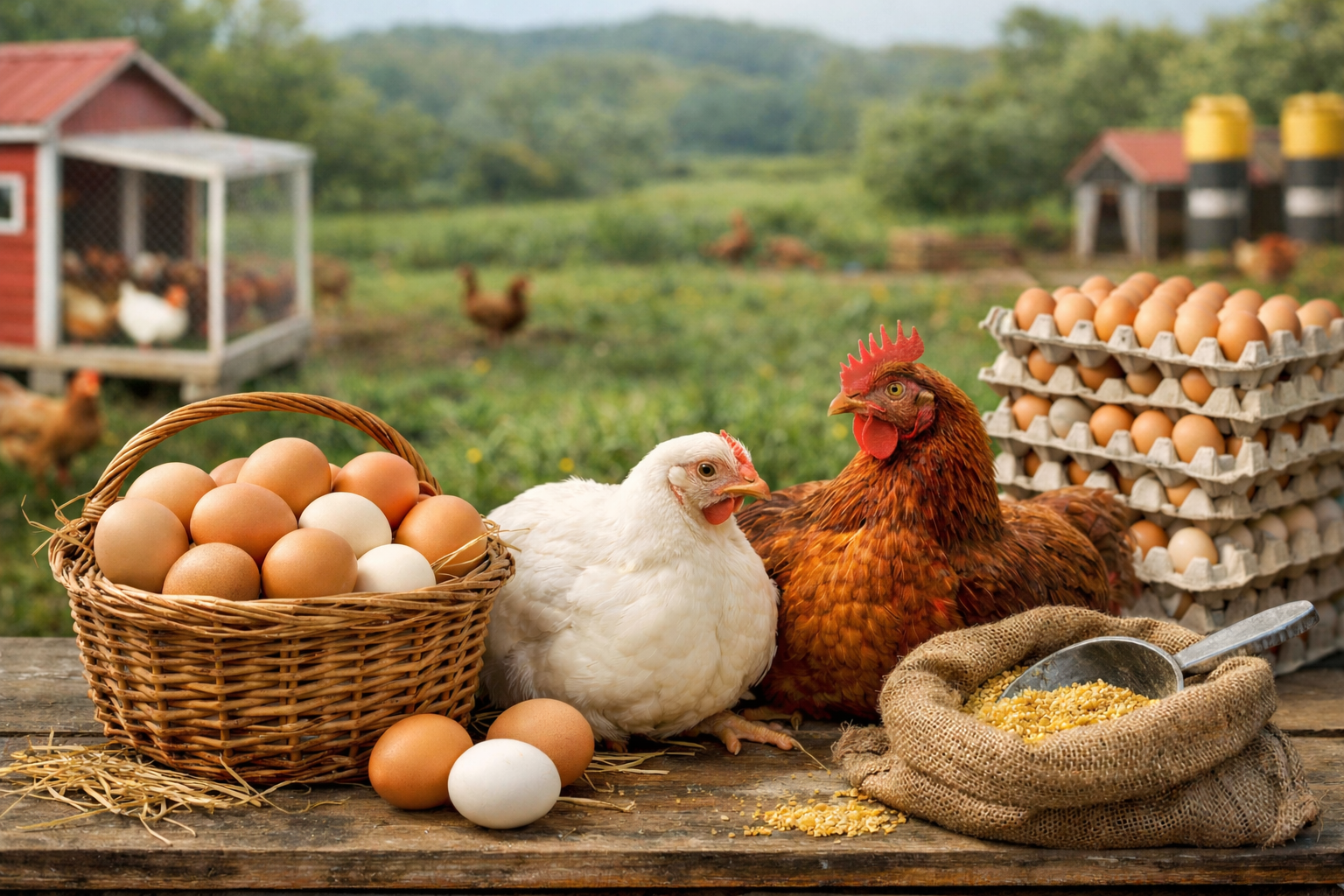
Starting a poultry or egg supply business can feel overwhelming at first, especially when you see big farms dominating the market. I have noticed that many beginners rush into buying birds or building coops without fully understanding costs, pricing, or daily operations.
You can set yourself apart by approaching this business with careful planning and attention to revenue from day one. When done right, poultry and egg supply can provide consistent income, scalable growth, and opportunities to expand into related products like feed or processed eggs.
This guide will walk you step by step through what really matters: selecting the right setup, managing birds efficiently, pricing effectively, and building a profitable supply network. By following these steps, you will avoid common pitfalls and start generating steady returns.
Step 1: Decide on Your Business Model and Scale
Before you start, you need clarity on whether you want a small backyard operation or a larger commercial supply business. Your scale determines costs, revenue potential, and daily workload. Many beginners underestimate the resources needed for larger flocks.
Choosing a clear business model prevents over-investment and helps you focus on revenue-generating activities from the start.
Choose Between Layer and Broiler Operations
Your first decision is whether to focus on egg-laying birds or meat production. Each has unique daily demands and income patterns.
- Layer birds generate steady, recurring income from eggs.
- Broilers require faster turnover and careful feed management for profit.
Determine Flock Size and Capacity
Your potential earnings depend on how many birds you can manage without compromising care.
- Start with a manageable flock to control costs and reduce mortality risk.
- Gradually scale up as you gain operational experience and market confidence.
Consider Direct Sales or Wholesale Supply
Deciding how to sell your products affects your marketing and pricing strategy.
- Direct-to-consumer sales often bring higher margins but require more effort in delivery and relationships.
- Supplying restaurants, stores, or local markets can provide bulk sales and more predictable cash flow.
Step 2: Secure Suitable Land and Housing
The right location and housing directly impact bird health, egg quality, and profitability. Mistakes here can lead to high mortality and lost revenue. Observing successful farms shows that careful design saves money and reduces losses in the long term.
Proper housing keeps birds comfortable, prevents disease, and supports efficient feeding and egg collection.
Choose Accessible, Well-Drained Land
A location with good drainage prevents wet conditions that can spread disease.
- Avoid low-lying areas prone to flooding or stagnant water.
- Ensure easy access for feed deliveries, sales pickups, and customer visits.
Design Coops for Productivity and Health
Housing should maximize space, ventilation, and hygiene to maintain steady production.
- Provide enough space per bird to prevent overcrowding and stress.
- Include nesting boxes for layers to improve egg collection efficiency.
Plan for Biosecurity and Disease Prevention
Limiting exposure to wild birds and pests protects your flock and investment.
- Install fencing and netting to keep predators away.
- Designate cleaning zones and footbaths to minimize disease spread.
Step 3: Select and Procure Quality Birds
The foundation of profitable poultry is healthy birds. Beginners often choose cheaper stock, only to face high mortality or low egg production. Observing reliable hatcheries shows that investing in quality breeds pays off in consistent revenue.
Quality birds reduce feed waste, minimize veterinary costs, and improve overall profit margins.
Choose the Right Breed for Your Goals
Layer breeds differ from broilers in growth rate, feed efficiency, and egg size.
- Choose layers known for high egg production if eggs are your main income source.
- Broilers should have fast growth and good feed-to-meat conversion.
Purchase From Trusted Hatcheries
Reliable sources ensure disease-free birds and higher survival rates.
- Avoid buying from unknown local sellers to reduce the risk of illness.
- Ask for vaccination records and health guarantees when possible.
Time Your Purchases to Match Demand
Buying birds in alignment with market demand prevents oversupply and reduces feed costs.
- Start small if you are testing the market or just starting operations.
- Scale purchases gradually as you confirm your customer base and sales patterns.
Step 4: Set Up Feeding and Health Management
Feed is the largest recurring cost in poultry operations, and mistakes here directly reduce profit. Birds with poor nutrition grow slowly, lay fewer eggs, or fall ill, hitting your revenue hard. Experienced farmers know that daily monitoring of feed and water is as critical as the coop itself.
A disciplined approach to feeding and healthcare improves survival, production consistency, and profit margins.
Develop a Balanced Feeding Schedule
Birds require protein, calcium, and energy at different growth stages.
- Layers need calcium-rich diets to produce strong eggshells.
- Broilers need high-energy feeds to reach market weight quickly.
Implement Routine Health Checks
Early detection of disease prevents large flock losses.
- Inspect birds daily for signs of illness or stress.
- Vaccinate according to recommended schedules for your region and bird type.
Maintain Clean Water and Feeding Systems
Contaminated water or feeders spread disease quickly and reduce output.
- Clean water troughs and feeders daily.
- Avoid overcrowding around feeders to minimize competition and injury.
Step 5: Build a Sales and Distribution Network
Even with perfect birds, your income depends on how effectively you sell and deliver products. Many beginners focus only on production and struggle to find customers consistently. A solid distribution plan ensures steady cash flow and profitability.
Sales strategy directly influences price, customer retention, and long-term growth.
Identify Your Target Customers
Knowing who buys your eggs or poultry helps tailor your sales approach.
- Local households often pay more per dozen eggs than wholesalers.
- Restaurants or shops can take bulk orders for predictable revenue.
Set Competitive Prices While Protecting Margins
Pricing too low erodes profit, while too high can drive customers away.
- Factor in feed, labor, transportation, and losses when calculating price.
- Adjust prices seasonally or based on bulk orders to maximize returns.
Plan Efficient Delivery and Logistics
Consistent delivery builds trust and repeat business.
- Use insulated carriers to protect eggs during transport.
- Schedule deliveries to minimize fuel costs and time.
Step 6: Legal and Money Considerations as You Grow
Operating a poultry business involves public health, safety, and financial management, which affect profitability. While small-scale setups may require minimal approvals, commercial operations need formal registration and compliance.
Staying compliant avoids fines, protects your investment, and positions you for scaling operations confidently.
Understand Local Trade Licenses and Permits
Regulations vary, so verify what is needed to sell poultry or eggs in your city or district.
- Some municipalities require a trade license or sanitary permit.
- Larger operations may need veterinary inspections and health certifications.
Plan for Cash Flow Management
Profit depends on controlling costs and timely sales.
- Track feed, labor, utilities, and transportation expenses closely.
- Keep a buffer for emergencies, like disease outbreaks or market dips.
Frequently Asked Questions
Do I need a large land area to start?
No, small backyard setups work well for 50 to 100 birds, and you can expand gradually.
How much capital is needed initially?
It depends on your flock size, housing type, and local costs, but starting small can be done with a modest budget covering birds, basic housing, and initial feed.
What is the most profitable type of bird?
Egg-laying layers provide consistent, recurring income, while broilers give quick returns but require more precise management.
Can I sell directly to households?
Yes, direct sales often bring higher margins, but require consistent delivery and relationship building.
How long before birds start producing eggs?
Most layer breeds start producing at 18 to 22 weeks, so plan cash flow for this period.
Final Thoughts
Starting a poultry or egg supply business requires planning, careful cost management, and consistent effort. Focus on daily management, cost control, and customer relationships, and your business can grow steadily. Keep learning from experience, and your efforts will turn into sustainable income. By following these steps, you can turn a small investment into a reliable income-generating business that grows sustainably.
Receive our latest articles and resources directly in your inbox