
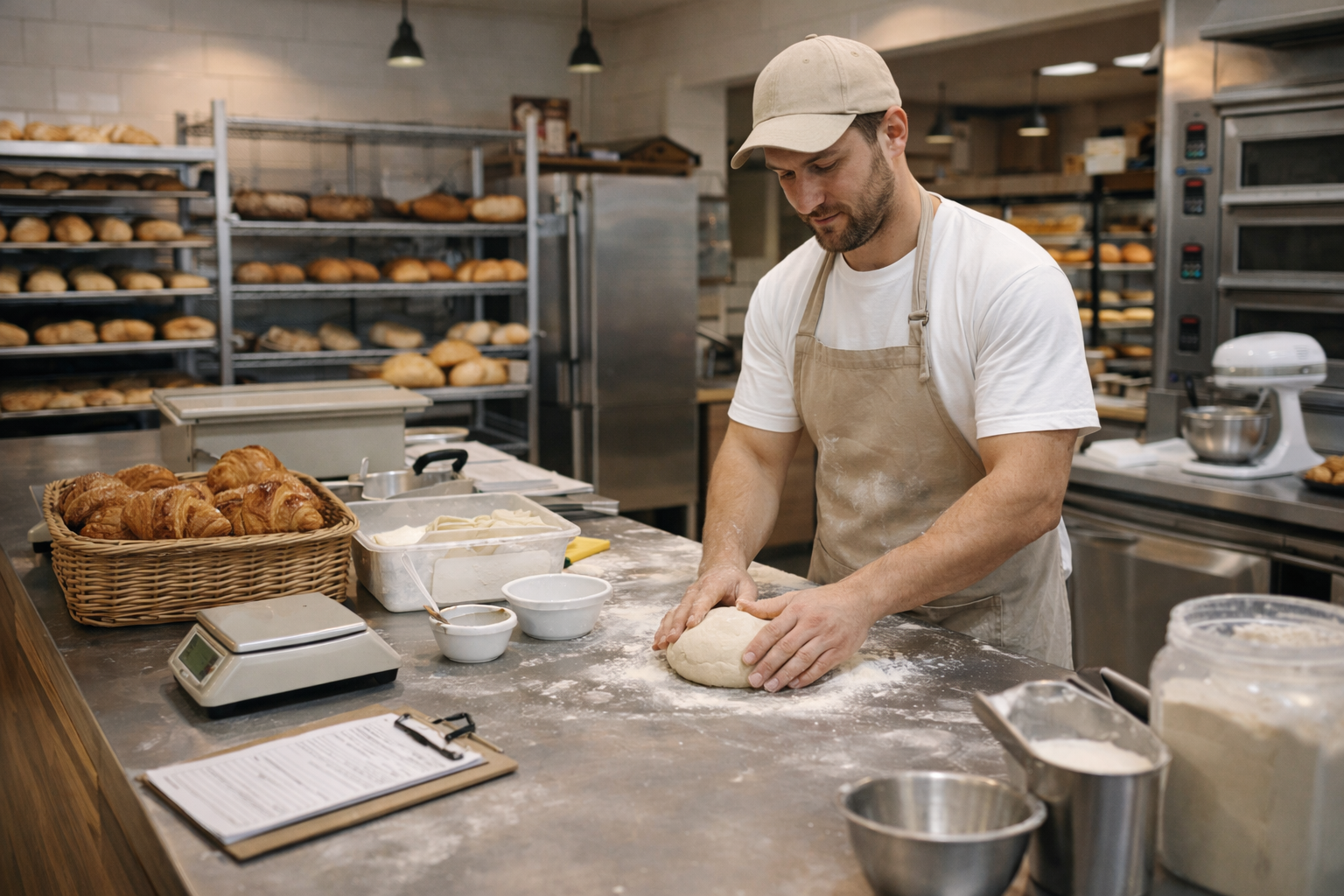
Starting a neighborhood bakery often begins with noticing a small gap in your local community. You see families, students, and neighbors looking for fresh bread, pastries, or a morning treat, and you imagine serving them with your own baked creations. I have seen many aspiring bakers get excited by the idea but get stuck wondering how to turn a passion for baking into a consistent business.
Many beginners struggle because they underestimate the day-to-day realities of a bakery. It’s not just about making bread or cakes; it is about timing, inventory, customer flow, and managing costs. Overlooking any of these details can make the first months feel chaotic.
This guide will walk you through each step of launching a neighborhood bakery, from planning your concept to serving your first loyal customers. By following this process, you will gain practical clarity and reduce guesswork along the way.
Step 1: Decide on Your Bakery Concept and Niche
Defining your bakery concept is the foundation of your business. Many beginners make the mistake of offering everything under the sun, which often leads to inconsistent quality and inventory issues. Choosing a clear focus helps you manage operations better and attract the right audience.
Identify your specialty offerings
Your specialty defines what customers remember about your bakery and why they return.
- Decide whether your bakery focuses on breads, pastries, cakes, cookies, or a combination.
- Focus on a niche that aligns with your skills and local demand.
- Avoid trying to copy large bakeries that serve every type of baked good at once.
Define the atmosphere and customer experience
The feel of your bakery influences repeat visits and word-of-mouth promotion.
- Decide if your space will encourage sit-down customers, quick takeaway, or both.
- Consider lighting, seating layout, and decor that match your concept.
- Keep the environment simple and functional in the first phase.
Set your price positioning
Pricing shapes customer perception and profitability.
- Choose whether you want a premium, mid-range, or budget-friendly bakery.
- Calculate ingredient costs and operational expenses to ensure sustainable margins.
- Avoid pricing solely based on competitor averages; consider your unique value.
Step 2: Study Your Local Market and Customer Preferences
Understanding your neighborhood is critical. Many new bakers assume a busy street guarantees customers, but without knowing their tastes and habits, demand can be unpredictable.
Observe foot traffic and peak times
Knowing when potential customers are active helps plan production and staffing.
- Spend several days watching nearby streets at different times.
- Note when people are most likely to stop for baked goods.
- Pay attention to schools, offices, and transit points that drive traffic.
Analyze existing bakeries
Learning from other businesses helps identify opportunities and gaps.
- Visit local bakeries to note popular items and pricing.
- Observe peak hours, wait times, and customer preferences.
- Look for missing offerings, such as healthier options, gluten-free, or fresh breakfast items.
Talk to potential customers
Direct feedback prevents assumptions and aligns your menu with demand.
- Ask neighbors and friends about what they want in a local bakery.
- Collect simple insights about flavor preferences, portion sizes, and purchase frequency.
- Adjust your concept based on recurring themes from these conversations.
Step 3: Plan Your Menu and Production Workflow
A focused menu reduces waste and ensures quality. Many beginners overextend themselves by offering too many items at once.
Select a manageable core menu
Start small to perfect recipes and speed up production.
- Offer 5 to 10 items that showcase your best skills.
- Include a mix of popular staples and a unique signature item.
- Expand the menu gradually once operations are smooth.
Determine production schedules
Timing is critical to deliver fresh products consistently.
- Plan daily baking cycles for morning and afternoon demand.
- Consider which items can be prepared in advance and which need same-day baking.
- Avoid overproduction to minimize waste and spoilage.
Source quality ingredients
Consistent taste builds trust with customers.
- Identify suppliers for flour, butter, and other essentials who can deliver regularly.
- Test ingredients before committing to bulk purchases.
- Track usage to optimize cost and reduce spoilage.
Step 4: Find the Right Location and Setup Your Bakery
The location and physical setup impact visibility, workflow, and customer experience. Many beginners assume any rental space works, but poor layout or inconvenient access can reduce sales.
Choose a high-visibility, accessible location
Foot traffic and convenience influence customer turnout.
- Pick areas near residential blocks, schools, or offices.
- Ensure easy entry and parking if possible.
- Avoid spaces that are hidden or difficult to reach.
Design a functional bakery layout
Workflow efficiency reduces stress and improves service speed.
- Separate baking, storage, and customer areas clearly.
- Arrange ovens, prep tables, and display counters logically.
- Keep customer areas welcoming but simple to maintain.
Invest in essential equipment first
Quality matters, but overbuying can strain your budget.
- Start with a reliable oven, mixers, baking pans, and refrigeration units.
- Focus on equipment that matches your production volume.
- Upgrade machinery only when demand increases consistently.
Step 5: Set Up Operations and Daily Workflow
Smooth operations prevent bottlenecks and ensure consistent product quality. Many new bakers underestimate the importance of defined routines.
Create clear baking schedules
Consistency ensures customers get fresh products every day.
- Assign time slots for mixing, proofing, and baking.
- Prioritize high-demand items during peak hours.
- Track production to avoid shortages or excess.
Train staff effectively
Even a small team needs clear roles to maintain quality.
- Train on recipe consistency, hygiene, and customer service.
- Assign specific tasks to prevent confusion during rush hours.
- Encourage feedback for process improvements.
Manage inventory carefully
Monitoring ingredients avoids last-minute shortages or waste.
- Keep daily logs of stock usage and reorder levels.
- Rotate ingredients to maintain freshness.
- Adjust quantities based on customer demand patterns.
Step 6: Market Your Bakery and Build Local Awareness
Early marketing helps attract your first loyal customers. Many beginners rely only on location and word-of-mouth, which can slow growth.
Use neighborhood visibility
A visible presence draws attention without extra cost.
- Place clear signage that communicates your specialty items.
- Offer samples during peak hours to entice passersby.
- Engage with local residents and businesses directly.
Leverage social media gradually
Online presence supports your local reputation.
- Create profiles on popular platforms with photos of fresh products.
- Post simple updates about daily specials or new items.
- Respond to comments and messages promptly to build trust.
Encourage repeat visits
Retention matters more than one-time sales.
- Offer small loyalty incentives, such as a free pastry after a few purchases.
- Ask satisfied customers for reviews or referrals.
- Keep packaging consistent and visually appealing to reinforce your brand.
Step 7: Track Finances and Prepare for Growth
Monitoring finances ensures sustainability and prevents surprises. Many beginner bakers focus only on sales without tracking costs or margins.
Separate business and personal finances
Clear accounting prevents confusion and simplifies decision making.
- Use a dedicated account for all bakery income and expenses.
- Track sales daily and categorize costs for ingredients, utilities, and staff.
- Review profits weekly to adjust pricing or workflow if necessary.
Plan for gradual expansion
Scaling too quickly can overwhelm production and quality.
- Add new menu items only after current offerings are consistent.
- Invest in equipment upgrades or larger space when demand is steady.
- Monitor customer feedback before introducing changes.
Legal and Money Considerations as You Grow
You do not need a full legal setup to start small, but awareness prevents problems.
- Check local food safety and business regulations to ensure compliance.
- Keep accurate records for taxes once revenue reaches a consistent level.
- Formal registration becomes important as you hire staff or expand operations.
Frequently Asked Questions
Do I need professional baking experience to start?
No, but consistent practice and understanding key recipes matter. Many successful bakers learned by trial and error before opening.
How much initial investment is typically needed?
Investment varies with size and location. Starting small with essential equipment reduces risk and allows you to test the market.
Can I start from home before opening a physical bakery?
Yes, home-based operations are possible in some areas, but local regulations for food sales must be followed.
How long does it take to attract regular customers?
It usually takes a few months of consistent quality and local promotion. Repeat customers grow as your reliability and product quality are established.
Final Thoughts
Starting a neighborhood bakery requires careful planning, attention to quality, and patience. You will face challenges in production, customer preferences, and operational efficiency, but progress comes from consistency and learning as you go. Focus on building trust and refining your workflow, and success will grow steadily over time.