
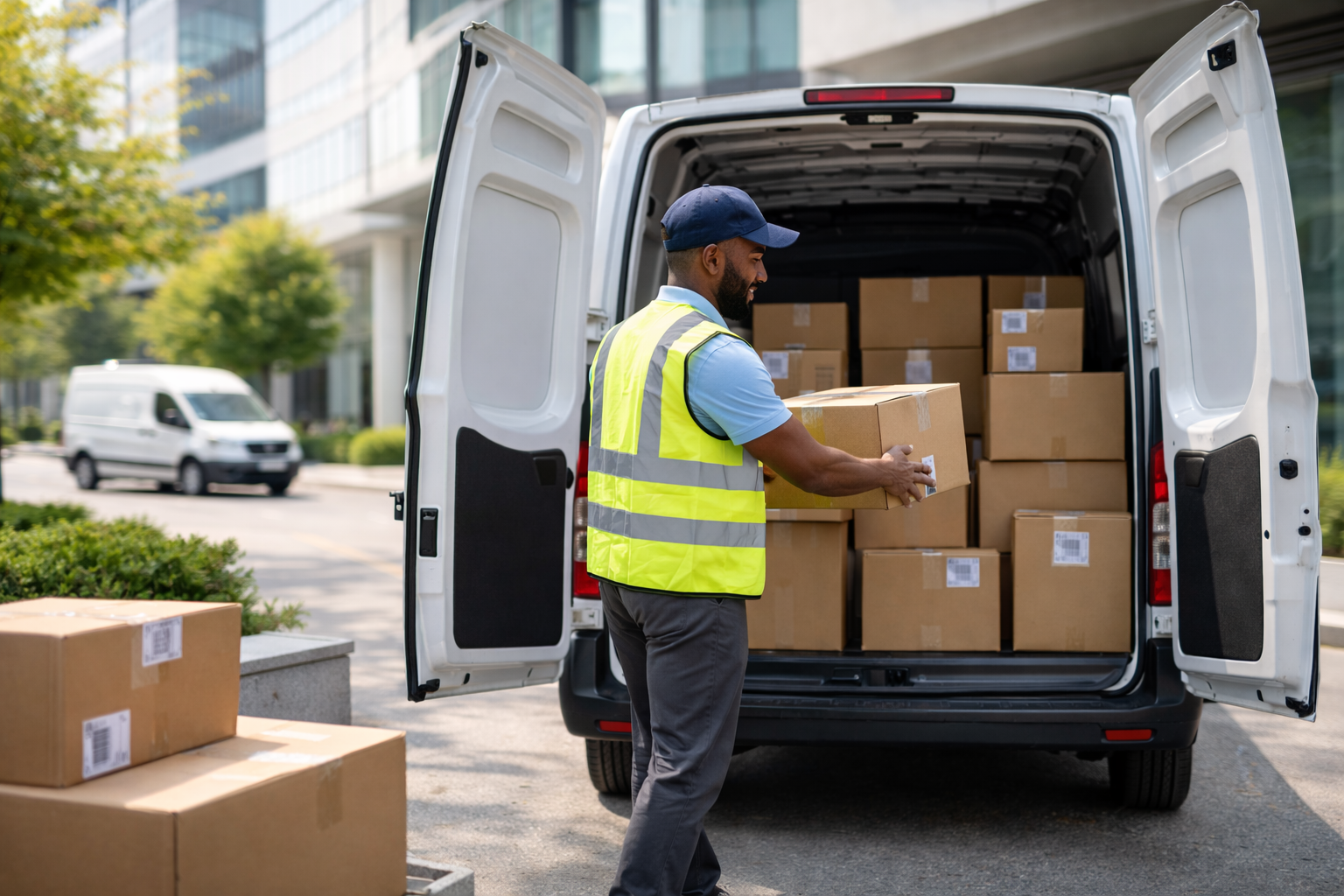
Last mile delivery is the final and most critical stage in the supply chain, and it is where customers judge the entire buying experience. When a package arrives late or damaged, it reflects on the delivery service, not the seller.
You can turn this demand into a strong business opportunity by offering reliable local delivery for online stores, retailers, and service based businesses. The growth of eCommerce has created consistent need for fast and professional last mile logistics.
This guide walks you through how to structure your service, choose the right vehicles, plan your delivery zones, and build a steady client base that keeps your operations efficient and profitable.
With a clear understanding of these steps, you will be able to confidently set up and run a last mile delivery service that fits your local market and scales as demand grows.
Step 1: Define Your Last Mile Service Scope
This step shapes how your entire delivery business will operate. Many beginners copy large courier companies without realizing their local demand is different.
You need to decide what type of deliveries you will handle and what level of service you will offer so your operations remain manageable from the start.
Delivery types you will specialize in
Choose whether you will deliver parcels, groceries, food, documents, or mixed retail orders based on what is common in your area.
- Specializing allows you to plan routes and vehicle use more efficiently.
- It also helps you attract consistent business clients rather than random one time deliveries.
Service speed and reliability expectations
Your delivery promise must match your actual capability. Promising same day delivery without enough vehicles leads to delays and lost trust.
- Set realistic delivery timelines for your starting fleet size.
- Gradually improve speed once your systems become stronger.
Step 2: Plan your service area and delivery routes
Your coverage zone directly affects your operating cost and daily workload. If your area is too large at the beginning, fuel and time costs will eat your earnings.
A focused delivery zone allows you to deliver quickly and build a strong reputation before expanding.
Zone based delivery structure
Divide your city or town into smaller service zones so each rider knows their route and responsibilities. This prevents delays and confusion during peak delivery hours.
- Smaller zones improve delivery speed and rider efficiency.
- Clear zones reduce miscommunication and missed deliveries.
Balancing speed with profitability
If you promise ultra fast delivery everywhere, you will lose money quickly. It is better to offer reliable delivery within a realistic radius and slowly expand as you grow.
- Keep your starting area manageable so your riders can complete multiple deliveries per trip.
- Avoid expanding until you have stable daily orders.
Step 3: Arrange the right vehicles and delivery equipment
Vehicles are the backbone of your service, so choosing the right type affects both cost and reliability. Start with a lean setup and upgrade only when volume increases.
Vehicle type and usage planning
For small towns or city zones, two wheelers are usually enough for fast and affordable delivery. Larger parcels may require small vans, but starting too big can increase expenses unnecessarily.
- Choose vehicles based on package size and delivery speed requirements.
- Maintain a small fleet initially to keep your overhead low.
Motorbikes for urban parcel and food delivery
Motorbikes are ideal for fast movement in traffic and frequent stops during the day.
- They reduce delivery time and fuel usage for short city routes.
- They are also easier to scale by adding more riders.
Cargo vans for retail and bulk deliveries
Mini vans are best for grocery stores, eCommerce clients, and businesses that ship medium sized packages.
- Vans allow you to handle higher volume clients and earn more per trip.
- They also make your service look more professional for corporate clients.
Essential rider equipment
Your riders need insulated bags, parcel carriers, helmets, and identification to operate professionally. Skipping this makes your service look unorganized and unreliable.
- Invest in basic safety and delivery gear so clients trust your operation.
- Clear branding on bags and vehicles builds visibility and credibility.
Step 4: Create a simple delivery management system
Even at a small scale, you need a structured way to track orders, assign riders, and confirm deliveries. Without this, things quickly become unmanageable.
You do not need complex software at the beginning, but you do need a clear system.
Order intake and assignment flow
Decide how you will receive delivery requests, through phone, messaging apps, or a simple web form. Then assign them to riders based on zone and availability.
- A consistent process reduces mistakes and keeps operations smooth.
- Riders should receive clear delivery details before starting their trips.
Tracking and confirmation methods
Clients want proof of delivery and real time updates. Even basic location sharing or digital confirmations can make your service look professional.
- Use delivery confirmation through photos, signatures, or simple digital records.
- Keep a daily log of completed deliveries for accountability and improvement.
Step 5: Find and secure your first business clients
Your early success depends on partnerships with local businesses that need regular deliveries. Many delivery startups fail because they wait for customers instead of approaching them.
This is a relationship driven business, so personal interaction matters.
Identifying businesses that need delivery support
Target wholesale dealers & distributors, restaurants, pharmacies, online sellers, document centers, and repair services that deliver frequently. They value reliability and quick communication over big brand names.
- Visit local shops and explain how your service can improve their delivery speed.
- Offer trial deliveries so they can experience your service quality.
Negotiating practical pricing models
Last mile delivery profits come from volume, not high single order fees. Set prices that are fair for clients and sustainable for your operations.
- Create package based pricing so businesses can estimate their delivery cost easily.
- Avoid underpricing just to get clients, because it becomes difficult to raise rates later.
Step 6: Hire and train delivery riders
Riders are the face of your business, and poor rider behavior can destroy your reputation. Hiring in a rush is one of the biggest mistakes new delivery startups make.
Focus on reliability, discipline, and professionalism more than speed.
Rider selection and background checks
Choose riders who know the local area well and can communicate clearly with customers. Basic background checks and verification protect your business from future issues.
- Reliable riders reduce customer complaints and missed deliveries.
- Familiarity with local routes improves delivery efficiency.
Training for customer interaction and safety
Teach riders how to handle packages, follow traffic rules, and communicate politely with customers. This creates a professional delivery experience that clients appreciate.
- A trained rider builds long term trust for your brand.
- Safety and punctuality should always be prioritized over rushing deliveries.
Step 7: Set up daily operations and scheduling
Once deliveries start coming in, your focus shifts from setup to execution. Many beginners struggle at this stage because they did not prepare a clear daily workflow.
Consistent operations build reliability and profitability.
Daily rider scheduling and route planning
Assign riders based on zones and expected delivery volume for the day. This helps prevent last minute chaos and delivery delays.
- A clear schedule keeps your riders productive and reduces idle time.
- Planning routes in advance saves fuel and improves delivery turnaround.
Handling peak delivery hours
Certain businesses, especially food and pharmacy clients, will have peak delivery times. Preparing for these spikes helps maintain service quality.
- Keep backup riders or flexible schedules for high demand hours.
- Avoid accepting more deliveries than you can realistically complete on time.
Step 8: Legal and Money Considerations as You Grow
At a small scale, many last mile delivery services start informally, but as your client base expands, formal registration becomes important for stability and growth.
You may need trade licenses, municipal permissions, and tax registration depending on your location and delivery volume. Rules vary across cities and countries, so always check your local requirements before scaling.
- Proper registration helps you work with larger business clients and platforms.
- Staying compliant prevents legal issues and improves your credibility in the market.
Step 9: Expand your service and improve efficiency
Once your operations run smoothly in your starting zone, you can think about scaling. Expanding too early without operational stability is one of the biggest reasons delivery startups fail.
Growth should come from strong systems, not just more vehicles.
Adding new zones and services
Increase your service area gradually so your quality does not drop. Expanding in stages helps you maintain delivery reliability and rider performance.
- Controlled expansion keeps your customer satisfaction high.
- Expanding only after consistent demand prevents unnecessary expenses.
Optimizing routes and delivery time
As volume grows, improving route planning and delivery flow becomes critical. Even small improvements in rider efficiency can significantly increase your profit margin.
- Efficient routes allow you to complete more deliveries with the same resources.
- Faster turnaround leads to higher client retention and recurring orders.
Frequently Asked Questions
What makes last mile delivery different from courier services?
Last mile focuses on the final customer delivery, usually within short distances, while courier services may operate nationally or internationally.
How profitable is a last mile delivery service?
With efficient routes, average profit margins can range between 20 percent and 40 percent.
Do I need my own vehicles to start
Not always, you can begin with hired riders using their own bikes and then build your fleet gradually as your delivery volume increases.
Can I start this business with only bikes?
Yes, many last mile businesses begin with bikes and expand to vans when delivery volumes grow.
Is this business suitable for small towns
Yes, small towns often have less organized delivery services, which creates strong opportunities for reliable local operators.
How do I find my first delivery clients
Start by approaching retail stores, restaurants, pharmacies, and small ecommerce sellers in your area, and offer services to build trust and partnerships.
Do I need a warehouse to operate?
Not at the start, you can collect and deliver directly from client locations.
Final Thoughts
A last mile delivery service can become a strong foundation for a growing logistics business when you begin with the right setup. Prioritize selecting the right delivery niche, using dependable vehicles, hiring reliable staff, and maintaining consistent service quality. As you build trust with clients, your delivery operations can expand and turn into a dependable income stream in your local market.
Receive our latest articles and resources directly in your inbox