
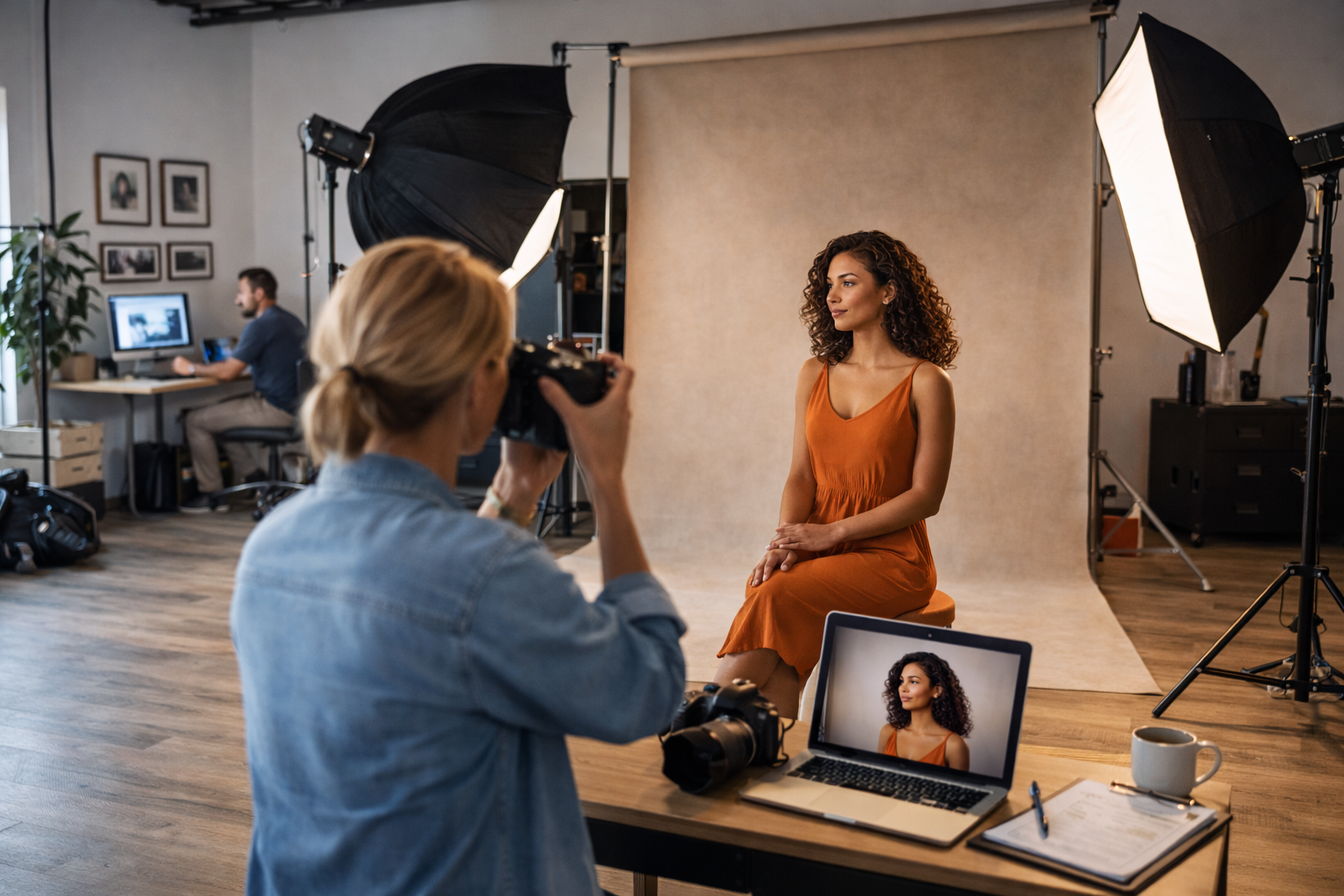
Many people come to photography because they love capturing moments, but turning that passion into a studio business can feel intimidating at first. I have seen talented photographers delay starting simply because they assumed everything had to be perfect from day one. You might be feeling that same hesitation right now.
From experience, many beginners struggle with questions like where to set up, what gear truly matters, and how to get paying clients without feeling awkward. The truth is that most successful studios started small, imperfect, and very practical. What mattered was starting with clarity, not confidence.
In this guide, you will learn how to set up a photography studio step by step, avoid common early mistakes, and build something that fits your skills, budget, and lifestyle. By the end, you should feel calmer, clearer, and ready to take your first real steps.
Step 1: Get Clear On Your Photography Niche
Before you look at spaces or equipment, you need clarity on what type of photography your studio will focus on. Different niches require different setups, budgets, and marketing approaches, and guessing here often leads to wasted money.
- Decide what you enjoy and what people pay for, because passion matters but consistent demand keeps the studio running.
- Research local competition, noticing which services are common and which ones are underserved.
- Match your niche to space needs, since portrait studios need different layouts than product or fashion photography.
- Start with one core service, as trying to serve everyone usually dilutes quality and focus.
Step 2: Plan Your Studio Space Thoughtfully
Your studio space affects your workflow, client comfort, and the type of shoots you can handle. I have seen studios struggle simply because the space was chosen in a rush.
- Choose a location that fits your niche, such as quiet areas for portraits or accessible areas for commercial clients.
- Factor in natural light, ceiling height, and power availability before signing anything.
- Start small if needed, because you can always upgrade once bookings become steady.
- Think about storage and movement, since cluttered spaces quickly kill efficiency and creativity.
Step 3: Invest In Essential Equipment First
It is tempting to buy everything at once, but smart studios grow equipment over time. Many beginners struggle by overspending before income becomes predictable.
- Prioritize cameras and lenses you already know well, since familiarity matters more than specs.
- Invest in reliable lighting, including strobes or continuous lights, modifiers, and stands.
- Set aside a budget for backups, because equipment failure during a shoot damages trust.
- Delay luxury upgrades, focusing first on tools that directly improve output and reliability.
Step 4: Design A Comfortable Client Experience
A photography studio is not just about photos, it is about how clients feel when they walk in. From experience, word of mouth often comes from comfort as much as image quality.
- Create a clean and welcoming waiting area, even if it is simple and minimal.
- Offer clear guidance during shoots, helping clients feel relaxed and confident.
- Keep music, temperature, and privacy in mind, especially for personal or family sessions.
- Communicate expectations clearly, so clients know how long sessions last and what they receive.
Step 5: Handle Legal And Business Setup Properly
Since a photography studio is a physical business, some formal setup is usually required. Skipping this step often creates problems later when income grows.
- Register your business structure, such as sole ownership or partnership, based on your comfort and scale.
- Check local licensing or trade permissions, as requirements vary by city and country.
- Understand basic tax obligations, especially how to track income and expenses properly.
- Consult a local advisor if unsure, because rules change and mistakes can be costly.
Step 6: Set Pricing That Makes Sense
Pricing is one of the hardest parts for new studio owners. I have seen many beginners underprice out of fear, then struggle to sustain the business.
- Calculate your real costs, including rent, equipment wear, utilities, and editing time.
- Research competitor pricing, but avoid racing to the bottom.
- Create clear packages, so clients understand value without confusion.
- Review pricing regularly, adjusting as your skills, demand, and expenses evolve.
Step 7: Build A Strong Portfolio And Online Presence
Even local studios rely heavily on online visibility today. Your portfolio often speaks before you do.
- Show only your best work, because quality matters more than quantity.
- Create a simple website or portfolio page, making it easy for clients to contact you.
- Use social media intentionally, focusing on platforms where your target clients already spend time.
- Share behind the scenes content, which helps build trust and personality.
Step 8: Market Your Studio Consistently
Marketing is not a one time task, it is an ongoing habit. Many studios fail not because of talent, but because people simply do not know they exist.
- Partner with local businesses, such as makeup artists or event planners.
- Offer limited introductory deals, without permanently lowering your value.
- Encourage referrals, rewarding happy clients for spreading the word.
- Track what brings inquiries, so you focus energy where it actually works.
Step 9: Manage Operations And Finances Carefully
Running a studio means wearing multiple hats, especially at the beginning. Organization saves you from burnout later.
- Use simple booking and invoicing tools, even basic software improves professionalism.
- Keep personal and business finances separate, which simplifies tracking and taxes.
- Schedule editing and admin time, so it does not spill into personal hours.
- Review monthly performance, spotting patterns in bookings and expenses early.
Common Beginner Questions About Photography Studios
Do I need a large space to start a studio
No, many successful studios begin in small spaces and grow once demand increases.
Should I quit my job before opening a studio
From experience, keeping another income source until bookings stabilize reduces stress.
Is renting equipment a good idea initially
Yes, renting helps test needs before committing to expensive purchases.
How long does it take to become profitable
This varies widely, but many studios take several months to a year to stabilize.
Final Thoughts
Starting a photography studio business takes more than creative skill, it takes patience, planning, and steady effort. You will make mistakes along the way, and that is part of learning how the business truly works. Focus on progress, not perfection, and allow your studio to grow at a pace you can sustain. If you take the first step with intention, the rest becomes much easier to figure out.