
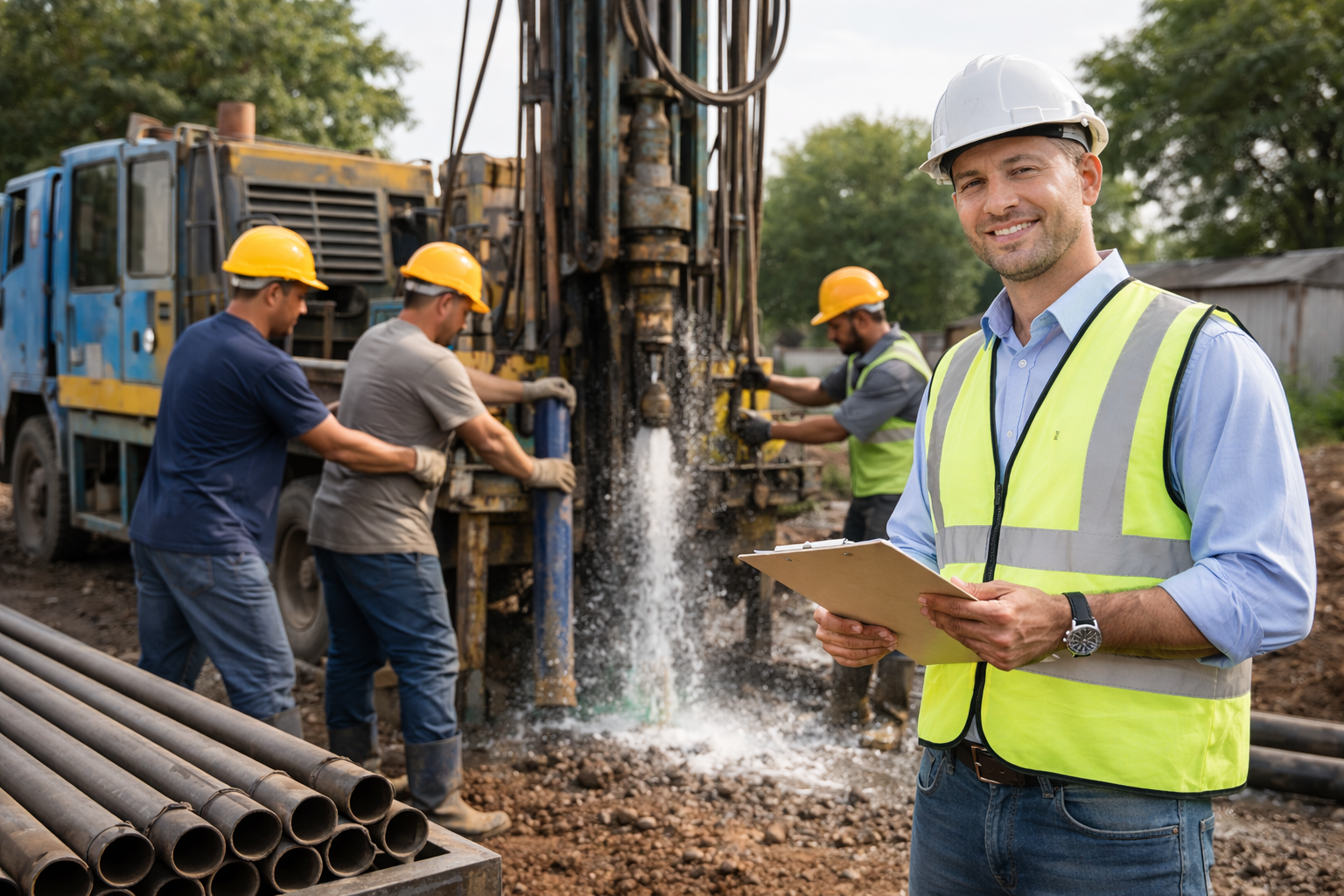
You have probably noticed how many homes, farms, and industries struggle with consistent water access. The demand for reliable borewell services is real, and you can tap into it with the right approach. Observing this gap gives you a real opportunity to build a hands-on business that people rely on.
Starting a water borewell drilling business is practical, but it requires careful planning, the right equipment, and a solid understanding of drilling techniques. You need to be familiar with soil conditions, water tables, and on-site operations. If you approach it step by step, you can reduce unnecessary expenses and steadily build a successful drilling business.
By following this guide, you will understand each step from market research to setup, from buying the right drilling rig to securing your first clients, and how to manage operations efficiently.
Step 1: Assess Local Demand and Water Resources
Before investing in machines or manpower, understanding the local need is crucial. Many beginners overestimate local water shortages or assume everyone needs a borewell immediately. Assessing real demand helps prevent wasted effort and supports long-term business stability.
Surveying Nearby Communities
Visiting neighborhoods, farms, and industrial areas can reveal how often residents or businesses need drilling services.
- Talk to local farmers and builders to identify frequent water shortages and drilling needs
- Note areas with hard rock or high water tables, as these require specialized equipment
Analyzing Groundwater Availability
Knowing the typical depth of water tables in your area ensures your equipment can handle most jobs without repeated failures.
- Consult local water departments or experienced drillers for depth ranges and soil types
- Document high-demand zones to prioritize marketing and operations
Identifying Competition
Understanding who else offers borewell services highlights gaps and pricing opportunities.
- Observe competitor services, rates, and client feedback to position your business effectively
- Identify areas underserved by reliable drillers for easier market entry
Step 2: Secure the Right Licenses and Legal Permissions
While many drillers start without formalities, compliance ensures smoother operations and protects you from fines. Licenses and permits vary by city, so local verification is essential. Many newcomers skip or misunderstand this, which can lead to fines or operational delays.
Obtain Business Registration
Register your business according to local regulations to operate legally. This may include registering as a small business, proprietorship, or private limited company.
- Registration makes it easier to open bank accounts and get loans.
- It adds credibility for clients seeking reliable contractors.
Get Trade Licenses and Municipal Permits
Depending on your city or district, you may need municipal approvals to operate drilling machinery and transport equipment.
- Some local authorities require drilling permits for each project.
- Failing to secure permits can halt work mid-project and incur penalties.
Step 3: Acquire the Right Equipment and Tools
Drilling is highly equipment-intensive, so your choice of machinery will define your efficiency and cost. Beginners often buy rigs that are too small for the projects they want or too expensive for the initial budget. Understanding equipment options is critical.
Select a Suitable Borewell Drilling Rig
There are multiple types of rigs such as hydraulic, rotary, and cable tool rigs. Match the rig to your target projects and soil types.
- Hydraulic rigs are versatile and suitable for deep borewells.
- Cable tool rigs are simpler but slower and less suitable for commercial-scale projects.
Acquire Support Equipment
Beyond rigs, you need pumps, compressors, pipes, drilling bits, and safety gear. Proper support equipment ensures smooth operations and reduces downtime.
- High-quality drill bits extend life and improve drilling speed.
- Water pumps and storage tanks help during borewell flushing and cleaning.
Arrange Transportation Vehicles
Your drilling rig and equipment need transport to sites, often in rural or construction areas. Investing in a truck or trailer ensures timely project execution.
- Smaller trucks are suitable for residential projects.
- Heavy-duty trucks are required for larger rigs and commercial contracts.
Step 4: Recruit Skilled Operators and Staff
Drilling is highly technical work, and hiring inexperienced operators can slow your projects or cause accidents. Machinery may appear simple to operate, but improper handling often causes costly mistakes. Well-trained personnel are essential for safe and efficient operations.
Hiring Experienced Drill Operators
Operators with prior borewell experience ensure faster, safer, and more accurate drilling.
- Check references and observe them on a trial project before hiring full-time
- Offer training programs to standardize drilling methods across teams
Support Staff and Labor
Helpers are needed for material handling, pump installation, and site setup.
- Use labor contracts to clearly define responsibilities and working hours
- Train staff on safety protocols and client interaction to enhance professionalism
Developing a Safety Culture
Accidents can be costly and damage your reputation.
- Conduct regular briefings on equipment handling, PPE use, and emergency procedures
- Keep first aid kits and emergency contact numbers at every site
Step 5: Set Competitive Pricing and Offer Value
Pricing can make or break your new borewell drilling business. Charging too low reduces profit, while charging too high may scare away clients. Balanced pricing keeps both cash flow and client trust intact.
Understand Local Pricing Trends
Check what competitors charge for different depths and soil types. Adjust pricing based on your operational costs and target profit margin.
- Residential borewells usually cost less but are frequent.
- Commercial projects may be higher in value but take longer to complete.
Offer Maintenance and Warranty Packages
Adding value through maintenance services or warranty for borewell performance attracts more clients.
- Customers feel secure knowing you stand behind your work.
- Extended service packages can create recurring revenue streams.
Include Transportation and Setup Costs
Factor in vehicle fuel, manpower, and equipment wear when quoting.
- Proper cost calculation ensures your business remains profitable.
- Transparent pricing builds trust with customers.
Step 6: Marketing and Finding Clients
Even if you have the best rigs and team, clients won’t come without visibility. Marketing in a physical service business is local and relationship-driven.
Leverage Local Networking
Talk to builders, farmers, and real estate developers in your area. Personal recommendations are highly effective.
- Repeat clients and referrals are often the most profitable.
- Local fairs or trade shows help you meet multiple potential clients at once.
Use Signage and Vehicle Branding
Your trucks and equipment can serve as moving advertisements in neighborhoods and villages.
- Clear signage attracts attention and conveys professionalism.
- Contact information on vehicles increases inquiries from passersby.
Advertise on Local Listings
Local directories, classifieds, or online maps help people find your business quickly.
- Many clients search online before calling a service provider.
- Verified listings increase trust and lead generation.
Step 7: Operational Best Practices
Efficient operations separate profitable drillers from those struggling with costs. Planning jobs, handling logistics, and maintaining standards is crucial.
Site Assessment Before Drilling
Visiting each site ensures the rig can access the location and prevents surprises.
- Check for obstructions, soil type, and water table depth before starting
- Adjust rig choice or technique based on site-specific conditions
Client Communication
Clear communication reduces misunderstandings and builds trust.
- Provide timelines, potential depth, and cost estimates upfront
- Update clients on progress or delays promptly to maintain credibility
Record Keeping
Documenting each borewell helps with maintenance services and repeat clients.
- Maintain logs of depth, pump type, and casing used for each site
- Use this data to improve planning and estimate project timelines accurately
Frequently Asked Questions
How much initial capital is needed to start?
It depends on rig type and project scale. A small hydraulic rig and basic setup can start with moderate investment, while large commercial rigs need higher funds.
Do I need prior drilling experience?
Hands-on experience or hiring an experienced driller is essential. Understanding soil types, water tables, and equipment troubleshooting is critical for quality work.
How long does it take to drill a borewell?
Time varies with depth, soil, and rig type. Residential projects may take a day or two, while deep commercial borewells may take a week or more.
Can I operate without licenses initially?
Operating without proper municipal permits can lead to fines and project stoppages. Always verify local rules before starting work.
Is borewell drilling profitable in small towns?
Yes, if demand exists and operations are efficient. Rural and semi-urban areas often have water scarcity and recurring maintenance needs.
How do I ensure water quality in borewells?
Use proper casing, follow local regulations, and consider basic water testing before handing over the borewell.
Is insurance necessary?
While optional, equipment and liability insurance protects against accidents, equipment damage, and client claims.
Conclusion
Starting a water borewell drilling business is both demanding and practical. You will gain the most insight from real projects, on-site challenges, and client interactions rather than planning alone. By following these steps, you can enter the market confidently, avoid common pitfalls, and steadily build a reliable operation. Consistency and attention to workmanship will support long-term success.
Receive our latest articles and resources directly in your inbox