
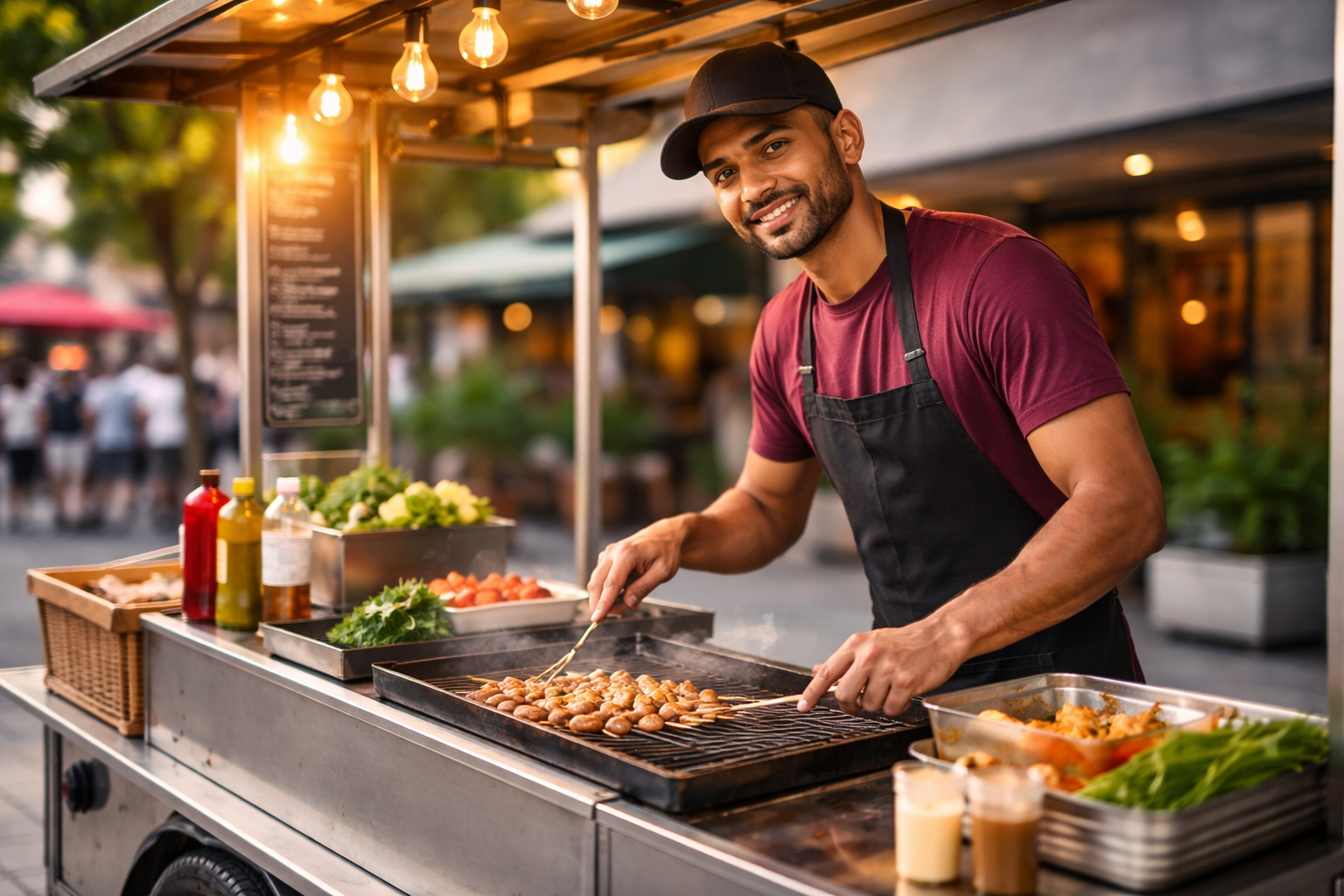
You have probably noticed how a small food cart can pull a crowd faster than a big restaurant on some days. The smell, the speed, and the personal touch make street food feel familiar and trustworthy. Many successful vendors started with nothing more than a cart and a clear idea.
Starting a street food cart business is not about fancy kitchens or big investments. It is about understanding people, timing, and doing a few basics really well. When done right, even a small setup can earn steady daily income.
This guide will walk you through each step in a practical order. By the end, you will know how to plan, set up, operate, and grow a street food cart without guesswork or unnecessary mistakes.
Step 1: Decide What Food You Will Sell and Why It Works
The food you choose decides everything that follows, from equipment to pricing and even licenses. Many beginners copy what others are selling without checking if it suits their location or skills. That often leads to slow sales and wasted effort.
Street food works best when it is simple, fast to prepare, and easy to eat while standing. Your goal is not to impress everyone but to serve one or two items really well and consistently.
Balancing demand and preparation speed
Your menu should match how quickly you can serve customers during rush hours. Items that take too long to prepare may frustrate people and reduce repeat visits.
- Choose foods that can be partially prepared in advance to reduce waiting time.
- Test how many plates you can realistically serve in one hour without stress.
Matching food type with your skills
Cooking skill matters more than variety in street food. Selling fewer items that you can prepare confidently builds trust and repeat customers.
- Start with recipes you already know well to avoid quality issues.
- Avoid experimenting with new dishes during peak hours.
Understanding local taste and spending habits
What sells well in one area may fail in another. Local preferences influence spice levels, portion sizes, and pricing expectations.
- Observe nearby carts to see what customers order most often.
- Adjust portion size so customers feel the price is fair and satisfying.
Step 2: Choose the Right Cart Setup and Equipment
Your cart is your workspace, storage area, and storefront combined. A poor setup can slow you down and make work uncomfortable, especially during long hours. Many beginners underestimate how important layout and mobility are.
The right cart setup helps you work faster, stay clean, and look professional. It also affects how authorities and customers perceive your business.
Selecting a cart that fits your menu
Different foods need different layouts, space for cooking, and storage. Buying a generic cart without planning often leads to modifications later.
- Ensure enough counter space for preparation and serving.
- Check if the cart supports gas, electric, or charcoal safely.
Essential tools and cooking equipment
You do not need everything on day one, but missing basics can slow service. Focus on tools that directly affect speed and hygiene.
- Invest in good quality burners, pans, and utensils that handle daily use.
- Keep backup tools for items that break or wear out quickly.
Storage and cleanliness planning
Street food customers notice cleanliness instantly. Poor storage leads to spoilage and health issues.
- Use covered containers for ingredients to avoid dust and insects.
- Arrange waste disposal so trash does not pile up near the cart.
Step 3: Find a Profitable and Safe Location
Location can matter more than food quality in street vending. Even great food struggles in low foot traffic areas. Many vendors fail simply because they set up in the wrong place.
A good spot gives you visibility, steady customers, and fewer conflicts with authorities or nearby shops.
Foot traffic and customer flow timing
Not all busy areas are busy all day. You need to match your selling hours with crowd movement.
- Observe the area during morning, afternoon, and evening.
- Choose spots near offices, schools, markets, or transit points.
Dealing with competition nearby
Competition is not always bad, but too much can split customers. Understanding what others sell helps you position better.
- Avoid selling the exact same item next to an established vendor.
- Offer a small twist or better service to stand out.
Safety and operational comfort
You will spend long hours at this spot, so safety and convenience matter. Poor lighting or traffic risk can create daily stress.
- Ensure the area is well lit and reasonably secure.
- Keep enough space to move without blocking pedestrians.
Step 4: Handle Licenses, Permissions, and Health Rules
A street food cart directly affects public health, so some form of permission is usually required. Many vendors start without approvals and later face fines or shutdowns. Handling this early saves stress.
Rules vary by country, city, and even neighborhoods. Always verify local requirements before operating.
Trade license and vendor permission
Most towns require a basic trade or street vending license to operate legally. This shows you are recognized by local authorities.
- Visit the local municipal office to understand vendor registration rules.
- Keep a copy of approvals at the cart if inspections happen.
Food safety and hygiene compliance
Food handling standards protect both customers and your reputation. Ignoring them can shut down your business quickly.
- Follow basic food safety rules like clean water use and covered food.
- Attend food safety training if required by local authorities.
Tax registration as the business grows
Small vendors may not need tax registration immediately, but growing sales can change that. Understanding this early avoids future penalties.
- Track daily sales to know when registration becomes necessary.
- Consult a local accountant for sales tax or GST rules.
Step 5: Price Your Food for Daily Profit
Pricing is where many street food carts struggle. Too low and you work hard with little return. Too high and customers walk away. The right price balances cost, value, and volume.
Your goal is steady daily profit, not maximum price per plate.
Calculating real per plate cost
Many vendors forget small costs like fuel, oil, and waste. These add up over time.
- Include ingredients, fuel, packaging, and spoilage in cost calculation.
- Review costs weekly to catch rising expenses early.
Setting prices customers accept easily
Street food buyers often make quick decisions. Complicated pricing or odd numbers slow that down.
- Use simple round prices that feel affordable.
- Compare nearby vendors to avoid pricing far above expectations.
Adjusting prices without losing trust
Raising prices suddenly can upset regular customers. Gradual changes work better.
- Increase portion size slightly before increasing price.
- Explain changes politely if regular customers ask.
Step 6: Manage Daily Operations and Customer Experience
Running a street food cart is physically demanding and repetitive. Without a routine, mistakes pile up and quality drops. Consistency is what turns first time buyers into regulars.
Daily habits matter more than big plans at this stage.
Preparing before peak hours
Rush hours leave no time for prep. Being unprepared causes delays and stress.
- Prepare ingredients and portions before customers arrive.
- Check fuel, water, and supplies every day.
Handling customers quickly and politely
Street food customers value speed and friendliness. Even small delays feel bigger when people are standing.
- Acknowledge customers even if they are waiting.
- Keep conversations short during busy times.
Maintaining quality under pressure
Busy days test your standards. Cutting corners may save time but hurts reputation.
- Follow the same cooking process for every order.
- Stop selling temporarily if ingredients run out or quality drops.
Step 7: Promote Smartly and Build Regular Customers
Street food promotion does not need big advertising budgets. Visibility, word of mouth, and consistency do most of the work. Many carts grow simply by being reliable.
Focus on small actions that make people remember you.
Using visual appeal to attract attention
Your cart is your advertisement. Cleanliness and presentation draw first time buyers.
- Keep the cart clean and ingredients visible but protected.
- Use clear signage with your food name and price.
Encouraging repeat visits naturally
Regular customers stabilize income even on slow days. Building familiarity matters.
- Remember frequent customers and their preferences.
- Offer consistent taste so people know what to expect.
Simple local promotion ideas
You do not need online ads to grow locally. Small efforts can spread awareness.
- Share your location and timings with nearby shops or offices.
- Encourage customers to bring friends through friendly service.
Frequently Asked Questions
How much money do I need to start a street food cart business
It depends on location, cart type, and menu. Starting small with basic equipment keeps risk low and allows gradual growth.
Do I need cooking experience to run a food cart
Basic cooking knowledge is enough if you keep the menu simple. Skill improves quickly with daily practice.
Can I run a street food cart alone
Yes, many vendors start alone. As sales increase, hiring help during peak hours becomes useful.
What if authorities ask me to move
This happens if permissions are unclear. Having proper licenses and choosing approved zones reduces this risk.
How long before the business becomes profitable
Many carts break even within a few months if location and pricing are right. Consistency speeds up this process.
Final Thoughts
Starting a street food cart business takes effort, patience, and daily discipline. You will learn more from the first few weeks on the street than from months of planning. Mistakes will happen, but each day improves your confidence and skills. If you stay consistent and customer focused, small daily progress can turn into a stable and rewarding business.