
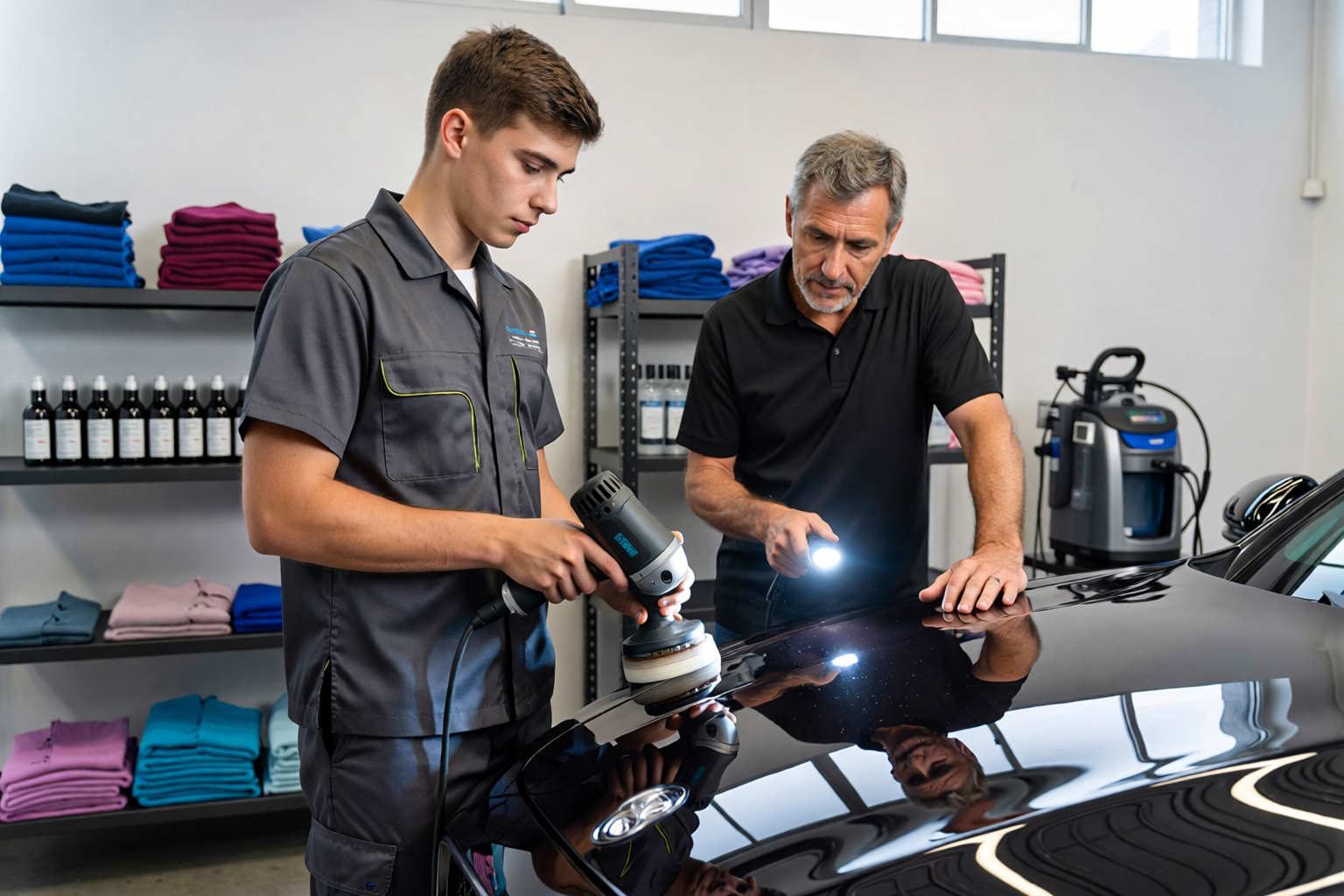
Starting a car detailing business can be surprisingly rewarding, but it also comes with challenges that beginners often overlook. Many people assume it is just washing cars, but success depends on attention to detail, customer service, and smart planning.
I have noticed that those who start without a clear process often struggle to attract repeat customers. Learning the right techniques, choosing the right equipment, and understanding the market will save you time and money.
This guide will take you through the process step by step, covering setup, operations, marketing, and financial considerations. By following these steps, you will be prepared to launch a professional car detailing business confidently.
With consistent effort and a focus on quality, you can build a business that stands out in your local market and grows steadily over time.
Step 1: Research Your Local Market and Competitors
Understanding your market is the foundation of any successful business. Many beginners underestimate how competitive car detailing can be, and failing to research can lead to wasted resources.
Knowing who your competitors are and what services are in demand helps you position your business effectively and avoid costly mistakes.
Identify Popular Detailing Services
Not all car detailing services are equally profitable or in demand.
- Research which services are most requested in your area, such as interior deep cleaning, paint protection, or engine detailing.
- Look at online reviews to see what customers complain about or praise the most.
Analyze Competitor Pricing and Packages
Pricing determines whether you attract customers while maintaining profits.
- Study local competitors’ pricing for similar services to ensure your rates are competitive but sustainable.
- Consider offering bundled packages for multiple services to provide better value and increase sales.
Gauge Customer Demographics
Knowing your target audience guides marketing and service decisions.
- Identify whether your clients are everyday car owners, luxury vehicle owners, or fleet operators.
- Focus on the type of clients you can serve consistently and profitably.
Step 2: Decide on Your Business Model and Location
Your business model shapes everything from equipment purchases to marketing strategies. Many beginners assume they must rent a commercial space immediately, but mobile detailing is often a lower-cost starting option.
The right location or service method affects convenience for customers and operational efficiency. Choosing incorrectly can slow growth or increase expenses unnecessarily.
Mobile Detailing vs Fixed Location
Mobile detailing allows you to reach customers at their homes or workplaces.
- Offers flexibility and lower startup costs since you do not need a permanent space.
- Requires a reliable vehicle and storage for supplies.
Fixed Location Operations
A fixed location gives you more control over work quality and can attract walk-in customers.
- Often requires higher rent but provides a professional setup for equipment and workspace.
- Ideal if you plan to expand into additional services like paint protection or detailing packages.
Combination Approach
Some businesses start mobile and later add a fixed location.
- Offers flexibility during the early stages while building a client base.
- Helps balance costs and reach multiple market segments efficiently.
Step 3: Purchase the Right Equipment and Supplies
High-quality results depend on having the right tools. Many beginners buy cheap equipment, thinking they can save money, only to find that low-quality tools reduce efficiency and customer satisfaction.
Choosing the right supplies ensures your work looks professional, lasts longer, and allows you to charge premium prices.
Essential Detailing Tools
Your toolkit forms the backbone of every detailing job.
- Invest in dual-action polishers, microfiber towels, and vacuums designed for vehicles.
- Include brushes and applicators for different surfaces such as leather, carpet, and wheels.
Cleaning Products and Chemicals
Professional-grade products make a noticeable difference.
- Use pH-balanced shampoos, waxes, sealants, and interior cleaners suitable for all surfaces.
- Avoid mixing chemicals or using harsh products that could damage vehicles.
Water and Power Management
Efficient operations depend on reliable water and power access.
- Mobile setups may require a water tank and portable power source.
- Fixed locations should have easy access to high-pressure water and electrical outlets.
Step 4: Set Your Pricing and Service Packages
Many beginners struggle with pricing because they either undervalue their work or overprice and scare customers away. Setting clear packages helps customers understand value and increases repeat business.
A well-structured pricing strategy balances affordability with profitability and encourages upselling of premium services.
Tiered Service Packages
Offering packages helps clients choose based on budget and needs.
- Create basic, standard, and premium packages with clearly defined services.
- Include add-ons like engine cleaning or headlight restoration for extra revenue.
Hourly vs Fixed Pricing
Decide whether to charge by the hour or per package.
- Hourly rates give flexibility for unique or large vehicles but may confuse some customers.
- Fixed pricing ensures transparency and simplifies marketing and invoicing.
Seasonal Promotions and Discounts
Promotions attract new clients and encourage repeat visits.
- Offer seasonal deals, loyalty programs, or referral discounts to increase customer retention.
- Avoid deep discounts that reduce profitability or undervalue your service quality.
Step 5: Market Your Car Detailing Business Effectively
Marketing is where many small businesses fail. Even with excellent skills, you need to make customers aware of your services. Focusing on the right channels helps you get clients faster.
Effective marketing establishes trust, highlights your professionalism, and differentiates you from competitors.
Local Online Presence
Online visibility drives first-time customers to your business.
- Create a Google Business Profile and maintain updated contact information, services, and images.
- Encourage satisfied customers to leave reviews, which build credibility.
Social Media Marketing
Platforms like Instagram and TikTok showcase your work visually.
- Post before-and-after photos, cleaning tips, and customer testimonials to attract attention.
- Engage with local community groups to increase word-of-mouth referrals.
Partnerships and Fleet Services
Collaborating with local businesses can provide steady revenue.
- Offer discounted or contracted services to car dealerships, taxi companies, or rental agencies.
- Build relationships with other local service providers for mutual referrals.
Step 6: Legal and Money Considerations as You Grow
Even if you start small, thinking about legal and financial responsibilities early prevents future headaches. Many beginners delay registration or ignore taxes, which can cause fines later.
Keeping your finances and compliance organized ensures smooth scaling and protects your personal assets.
Business Registration
Registering your business makes operations more professional.
- Check local requirements for business licenses or permits needed for car detailing.
- Use simple structures like sole proprietorships if you are starting small.
Insurance
Protect yourself and your clients against accidents or damages.
- Consider liability insurance and coverage for your equipment and vehicle.
- Review policies regularly to match the scale of your operations.
Financial Tracking
Accurate bookkeeping prevents cash flow issues.
- Track income, expenses, and taxes from the start to make informed decisions.
- Use basic accounting software or hire a bookkeeper if needed.
Frequently Asked Questions
Do I need a commercial space to start a car detailing business?
No, many successful businesses start mobile. A fixed location is optional and can be added as you grow.
What is the most important equipment for beginners?
A good vacuum, microfiber towels, dual-action polisher, and quality cleaning products are essential for professional results.
How much should I charge for detailing services?
Pricing depends on your local market, service complexity, and vehicle type. Research competitors and create tiered packages for transparency.
Can I start part-time while keeping another job?
Yes, mobile detailing allows flexible hours, and part-time operations help you build clients gradually.
How do I get repeat customers?
Focus on quality work, consistent communication, loyalty programs, and referral incentives to encourage repeat business.
Conclusion
Starting a car detailing business requires careful planning, practical skills, and persistence. Mistakes are inevitable at first, but each job teaches you something valuable. Focus on building consistent quality, attracting loyal customers, and organizing your operations. With dedication and attention to detail, your business can grow steadily and become a trusted local service.
Receive our latest articles and resources directly in your inbox