
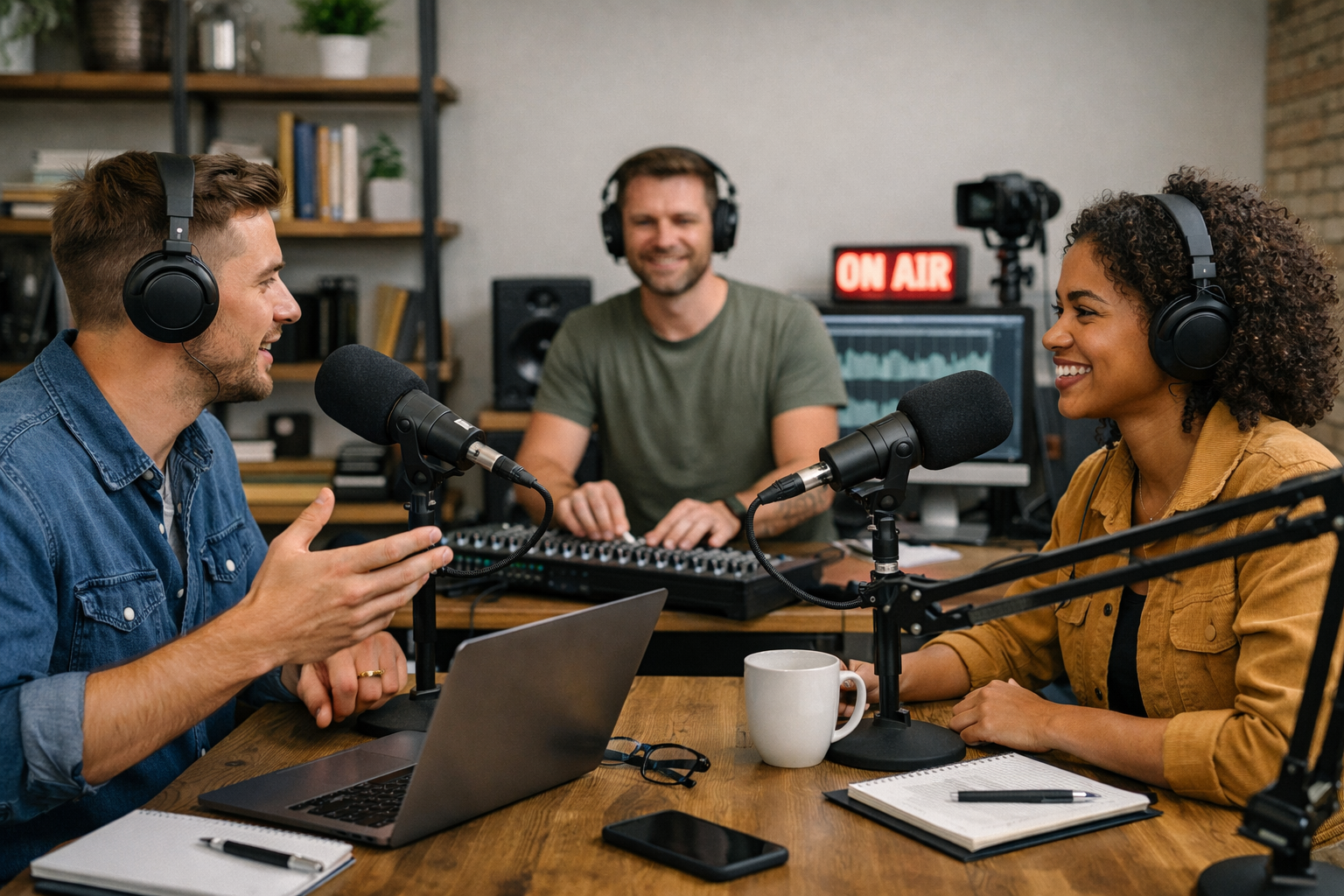
If you are feeling overwhelmed by the idea of starting a podcast, you are not alone. Almost everyone I have seen start out feels confused about equipment, platforms, content ideas, and whether anyone will actually listen. Podcasting looks simple from the outside, but once you peek behind the scenes, it can feel like a lot.
From experience, most beginners struggle not because they lack talent, but because they start without a clear plan. They overthink the tech, rush the launch, or copy what big podcasts are doing without understanding why it works. The good news is that none of this is permanent or fatal.
This guide is here to make things simpler. I will walk you through each step in a practical way so you can launch your podcast with confidence, avoid common mistakes, and actually build something people want to listen to.
Step 1 Decide Why You Are Starting a Podcast
Before microphones and music, you need clarity. A podcast without a clear purpose usually fades fast, even if the audio quality is good. This step matters because it shapes every decision that follows.
Clarify your main goal
- Ask yourself whether you want to educate, entertain, tell stories, build authority, or support another project like a blog or business.
- Your goal helps you decide episode length, tone, and how often you publish.
Define who you are speaking to
- Many beginners try to appeal to everyone, which usually connects with no one.
- Imagine one specific listener and create episodes that feel like they were made just for them.
Step 2 Choose a Podcast Format You Can Sustain
I have seen many people quit because they picked a format that sounded impressive but was exhausting to maintain. Consistency matters more than complexity.
Popular beginner friendly formats
- Solo podcasts give you full control and are easier to schedule, especially when starting out.
- Interview podcasts work well if you enjoy conversations and can reach interesting guests reliably.
- Co hosted shows can be fun, but only if schedules and commitment are aligned.
Think long term
- Choose a format you can realistically maintain for months, not just a few episodes.
- It is better to publish simple episodes consistently than polished ones once in a while.
Step 3 Pick a Topic That Is Focused but Flexible
Your topic is what attracts the right listeners. Too broad feels vague, too narrow feels limiting, so balance matters here.
How to narrow your topic
- Start with a general theme, then refine it based on who you want to help or entertain.
- For example, instead of business podcasts, focus on stories from solo creators or lessons from failed startups.
Leave room to grow
- Pick a topic that allows you to explore different angles without confusing your audience.
- You can evolve later, but clarity at the start builds trust.
Step 4 Get Simple Recording Equipment Without Overbuying
One of the biggest beginner mistakes I have seen is overspending on gear. You do not need a studio to sound professional.
Basic equipment you actually need
- A USB microphone is more than enough for most beginners and keeps setup simple.
- Closed back headphones help you monitor audio and catch background noise early.
Recording environment matters
- A quiet room with soft furnishings often sounds better than an expensive mic in a noisy space.
- Recording consistently in the same place helps maintain audio quality across episodes.
Step 5 Record Your First Episodes Without Waiting for Perfection
This is where many people get stuck. They keep planning, tweaking, and delaying instead of recording.
Start before you feel ready
- Your first episodes will not be perfect, and that is normal.
- Every episode improves your confidence, delivery, and clarity.
Batch recording helps
- Recording two or three episodes in one session reduces pressure later.
- Having episodes ready makes it easier to stay consistent after launch.
Step 6 Edit Lightly and Keep Your Natural Voice
Editing is meant to improve clarity, not remove your personality. Over editing can make your podcast feel stiff and unnatural.
Keep edits simple
- Remove long silences, major mistakes, and distracting background noise.
- Leave natural pauses and small imperfections so the conversation feels real.
Beginner friendly tools
- Free or low cost tools like Audacity or GarageBand are enough to start.
- Focus on learning basics like trimming, volume balance, and exporting properly.
Step 7 Choose a Podcast Hosting Platform
Your podcast needs a host to distribute episodes to platforms like Spotify and Apple Podcasts. This step matters because it affects reach and analytics.
What a host does
- A hosting platform stores your audio files and generates an RSS feed.
- That feed sends your episodes to listening platforms automatically.
What to look for
- Simple dashboard, reliable uptime, and basic analytics are more important than fancy features.
- Many beginners do well with affordable hosts that allow easy upgrades later.
Step 8 Launch With a Smart Publishing Strategy
Launching well gives your podcast early momentum. Dumping one episode and disappearing often leads to low engagement.
How many episodes to launch with
- Starting with three episodes gives new listeners more to explore.
- It also shows that you are serious and consistent.
Create a simple launch routine
- Publish on the same day each week so listeners know what to expect.
- Share each episode in places where your audience already spends time.
Step 9 Promote Your Podcast Without Feeling Spammy
Promotion scares many beginners, but sharing your work is part of the process. From experience, the key is relevance, not volume.
Where promotion works best
- Share episodes in communities where the topic naturally fits.
- Repurpose clips or quotes into short social posts instead of just links.
Build real connections
- Engage with listeners who comment or message you.
- Word of mouth grows faster when people feel seen and appreciated.
Step 10 Legal and Money Considerations as You Grow
Podcasting does not require company registration or licenses when you start, but there are things to be aware of as you grow.
Copyright basics
- Use only music, clips, and sounds you have rights to or proper licenses for.
- Avoid using copyrighted content casually, even in short clips.
Platform and disclosure rules
- Follow platform guidelines for content and advertising.
- Disclose sponsorships clearly once you start monetizing.
Taxes and formal setup
- You only need to think about taxes when income starts coming in.
- Formal business registration becomes useful later, not mandatory at the beginning.
Frequently Asked Questions
How long does it take to get listeners
- Most podcasts grow slowly at first, often over months, not weeks.
- Consistency and clarity matter more than quick growth.
Do I need to be an expert to start
- No, many successful podcasts grow by learning publicly.
- Being honest about where you are builds trust with listeners.
Can I start with just my phone
- Yes, many beginners start this way and upgrade later.
- Focus on content and consistency first.
Final Thoughts
Launching a podcast takes effort, patience, and a willingness to learn as you go. You will make mistakes, feel awkward at first, and question yourself more than once, and that is all part of the process. Progress matters far more than perfection, especially in the early stages. If you take the first step today, you are already ahead of where you were yesterday.