
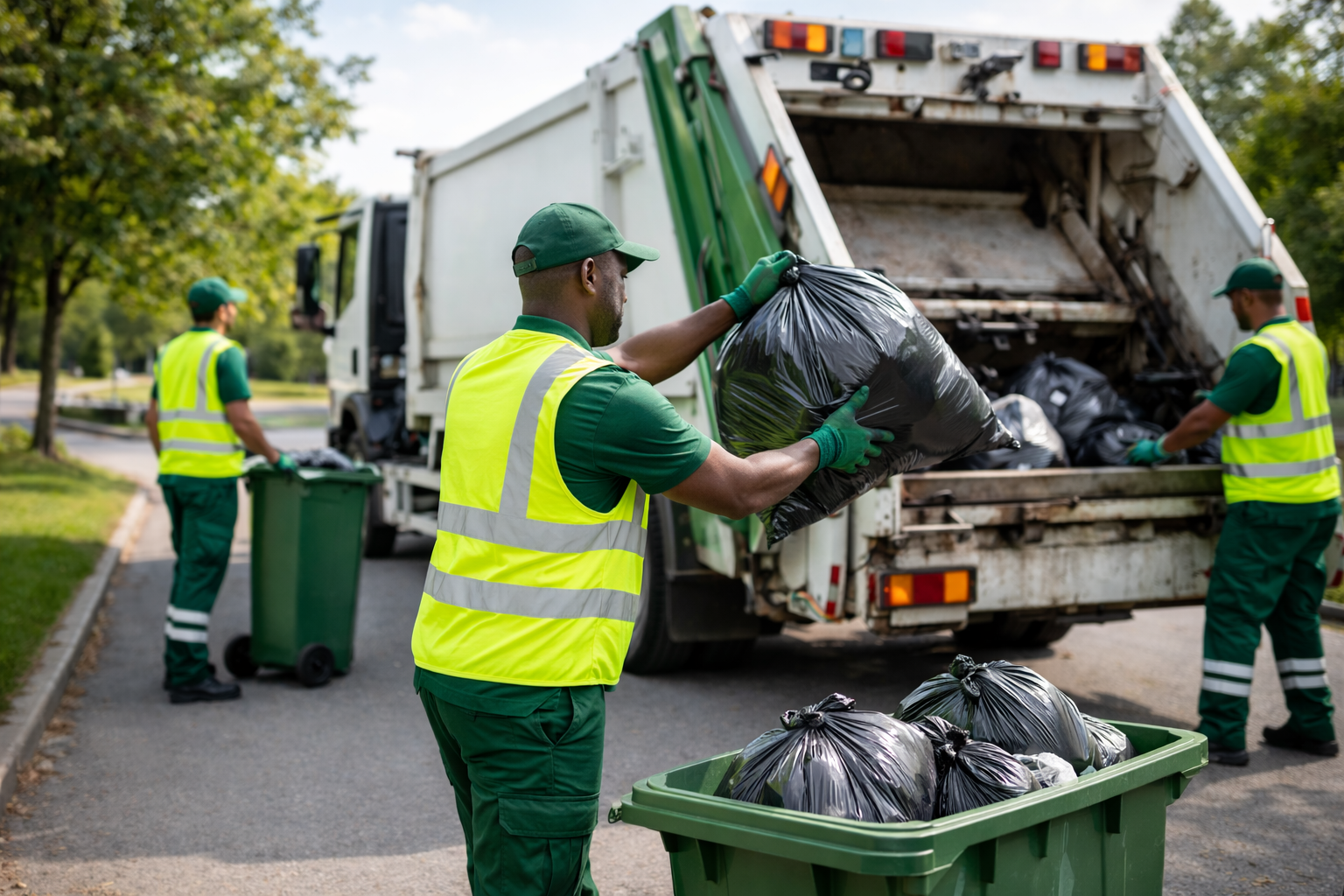
If you are looking for a business that combines social impact with profitability, a waste management venture can be both meaningful and financially rewarding. You might think this industry is all about trucks and garbage bins, but modern waste management offers innovative approaches from recycling to industrial waste solutions.
Starting a waste management business requires more than just picking up trash. You need a clear plan, the right equipment, and an understanding of local regulations. Many beginners underestimate the operational complexity, which can lead to early setbacks.
This guide provides a practical roadmap to set up and run a profitable waste management business. You will learn how to select the right niche, manage operations efficiently, and navigate challenges effectively, avoiding common mistakes that many beginners make.
Step 1: Identify Your Waste Management Niche
Understanding the specific type of waste you want to handle is crucial. Different niches have different operational requirements, equipment, and potential profits. Jumping in without a clear focus often leads to inefficiencies and unnecessary costs.
Residential Waste Collection
Residential waste is the most common entry point for beginners. It involves regular pickup of household garbage and recyclable materials.
- Residential routes can generate consistent monthly revenue if you secure local clients.
- It requires smaller vehicles and fewer staff compared to industrial services.
- The challenge is maintaining punctual and reliable service to retain subscribers.
Commercial and Industrial Waste
Businesses and factories produce larger volumes of waste, including hazardous materials. Handling this waste can be more profitable but requires compliance and safety knowledge.
- Industrial contracts often pay higher rates due to volume and complexity.
- Specialized equipment may be necessary, such as compactors or shredders.
- Mistakes in handling hazardous waste can lead to fines or liability issues.
Recycling and Upcycling Services
Focusing on recyclables and upcycled products can open additional revenue streams through resale. This niche often appeals to environmentally conscious clients and can be scaled with minimal fleet investment.
- Materials like plastics, paper, and metals can be sold to recycling centers for profit.
- Sorting and processing efficiency determines margins.
- Mismanagement of mixed materials can reduce resale value significantly.
Step 2: Conduct Local Market Research
Understanding your local market is a step many beginners overlook. Without research, you may enter an area with too much competition or insufficient demand.
Assess Local Waste Volume
Knowing how much waste is generated helps determine truck sizes and collection frequency.
- Survey households, businesses, and industrial areas to estimate daily or weekly volumes.
- Underestimating volumes leads to under-equipped operations and missed revenue opportunities.
Assess Demand and Competitors
Look at existing waste management companies in your area and identify service gaps.
- Map areas underserved by residential or commercial waste services.
- Identify services competitors offer and where they fall short.
- Consider client complaints online to find opportunities for differentiation.
Evaluate Pricing and Profit Margins
Knowing how much people are willing to pay will help set realistic pricing for your services.
- Research local fee structures for residential pickup, commercial contracts, and recycling.
- Estimate operational costs including fuel, maintenance, staff wages, and disposal fees.
- Profit margins in residential waste collection typically range from 15 to 25 percent, while industrial contracts can reach 30 percent or more.
Check Regulatory Constraints
Local rules may limit collection hours, types of waste handled, and vehicle requirements.
- Investigate municipal restrictions on waste disposal and recycling permits.
- Understand zoning restrictions for your depot or processing center.
- Compliance prevents fines and legal complications that can stall your business.
Step 3: Legal Approvals and Compliance
Waste management is heavily regulated. Ignoring permits or environmental rules can halt operations and lead to penalties.
You must secure licenses for waste collection, storage, transport, and disposal. Rules vary by country and city, but compliance is non-negotiable for a legitimate business.
Trade Licenses and Local Permissions
Obtain permissions to operate commercially and handle waste.
- Municipal or city authorities often require registration with sanitation departments.
- Operating without permits can result in fines or forced shutdown.
Environmental and Safety Regulations
Ensure your operations comply with environmental laws.
- Hazardous or e-waste may require special handling and reporting.
- Proper training and protective gear reduce accidents and liability.
Step 4: Acquire Vehicles, Equipment, and Facility
Your equipment determines efficiency and profitability. Underestimating the operational needs can lead to wasted time and money.
Fleet Selection
Choose vehicles based on your target niche and volume of waste collected.
- Small trucks or vans work for residential routes, while larger compactor trucks are needed for industrial contracts.
- Consider fuel efficiency, maintenance, and durability when selecting vehicles.
- Leased vehicles can reduce upfront costs for new entrepreneurs.
Processing Equipment
Sorting, compacting, and recycling require specialized tools and machinery.
- Shredders, balers, and compactors improve operational efficiency.
- Equipment investment depends on the scale of operations and type of waste processed.
- Neglecting proper tools can create bottlenecks in your workflow.
Depot or Processing Facility
A central location for sorting and temporary storage improves logistics and safety.
- The facility should comply with local zoning laws and environmental regulations.
- Plan space for vehicle parking, storage, and material processing.
- Organizing the facility reduces handling errors and operational delays.
Step 5: Build Your Team and Operational Processes
Your staff are on the front lines, so proper training is non-negotiable. Undertrained staff lead to accidents, complaints, and regulatory issues.
Hiring Skilled Staff
Select employees familiar with waste handling and safety practices.
- Drivers, collectors, and processing staff should understand proper handling procedures.
- Training is essential to prevent injuries and ensure regulatory compliance.
- A motivated team improves retention and service reliability.
Design Workflow and Routes
Optimizing routes and operational schedules reduces fuel and labor costs.
- Plan routes to minimize travel time and maximize daily pickups.
- Use scheduling software to track collections and avoid missed clients.
- Efficient workflows increase profitability while maintaining service quality.
Safety Protocols
Waste management involves exposure to hazardous materials, so safety measures are non-negotiable.
- Provide personal protective equipment to all staff.
- Implement regular equipment inspections and maintenance schedules.
- Safety training reduces accidents and liability risks.
Step 6: Launch Marketing and Client Acquisition
Your business cannot survive without clients. Many operators rely solely on local reputation, missing structured marketing and pricing approaches that drive growth. Understanding your market ensures consistent cash flow and scalable operations.
Local Outreach and Community Programs
Engage with neighborhoods and local organizations to build trust and awareness.
- Flyers, community events, and local ads highlight your presence.
- Offer pilot programs or discounted first pickups to attract early clients.
- Educating residents about recycling can build long-term loyalty.
Online Presence and Social Proof
Showcase your services through websites, social media, and review platforms.
- Use Google Business and social media to list services, schedules, and testimonials.
- Highlight environmental benefits to attract eco-conscious clients.
- Respond to reviews and inquiries promptly to build credibility.
Commercial Contract Acquisition
Approach businesses directly with customized waste solutions.
- Prepare proposals outlining your services, pricing, and compliance certifications.
- Offer flexible pickup schedules and volume-based discounts.
- Building long-term commercial relationships increases revenue stability.
Step 7: Monitoring Operations and Scaling
Once operational, efficiency and profitability depend on continuous monitoring. Many entrepreneurs neglect tracking key metrics until issues arise.
Track routes, fuel costs, service feedback, and waste volumes. As demand grows, you can expand vehicles, staff, and service areas.
Route Optimization
Efficient routes save fuel, time, and reduce wear on vehicles.
- Software tools or manual mapping help plan daily pickups effectively.
Client Feedback and Service Quality
Collect feedback regularly to improve satisfaction.
- Satisfied clients are more likely to subscribe long-term and refer others.
Expansion Planning
Scale gradually into new neighborhoods or niches.
- Avoid rapid expansion without operational readiness to prevent service lapses.
Frequently Asked Questions
Do I need a special license to start a waste management business?
Yes, most cities require municipal permits and environmental clearances, especially for industrial waste.
Do I need special skills to start a waste management business?
Basic operational and managerial skills are sufficient, but knowledge of safety and environmental norms is highly recommended.
Can I start small with one vehicle?
Absolutely, many residential waste collection businesses start with one van and scale gradually.
How profitable is this business?
Profit margins range from 15 to 30 percent depending on the niche, contracts, and efficiency.
Is recycling necessary for profitability?
Recycling can be an additional revenue stream but is not mandatory. Efficient collection and client contracts can sustain profit without it.
How do I get clients quickly?
Start with local outreach, partnerships, and targeted online marketing highlighting reliability and convenience.
What staff do I need initially?
A small team of drivers, collectors, and a processing operator is sufficient for early operations.
Final Thoughts
Starting a waste management business is challenging but highly rewarding with careful planning. Focus on niche selection, compliance, and operational efficiency from day one. Remember, your reputation and reliability are your strongest assets. With patience and quality execution, this business can become a stable and profitable venture.
Receive our latest articles and resources directly in your inbox