
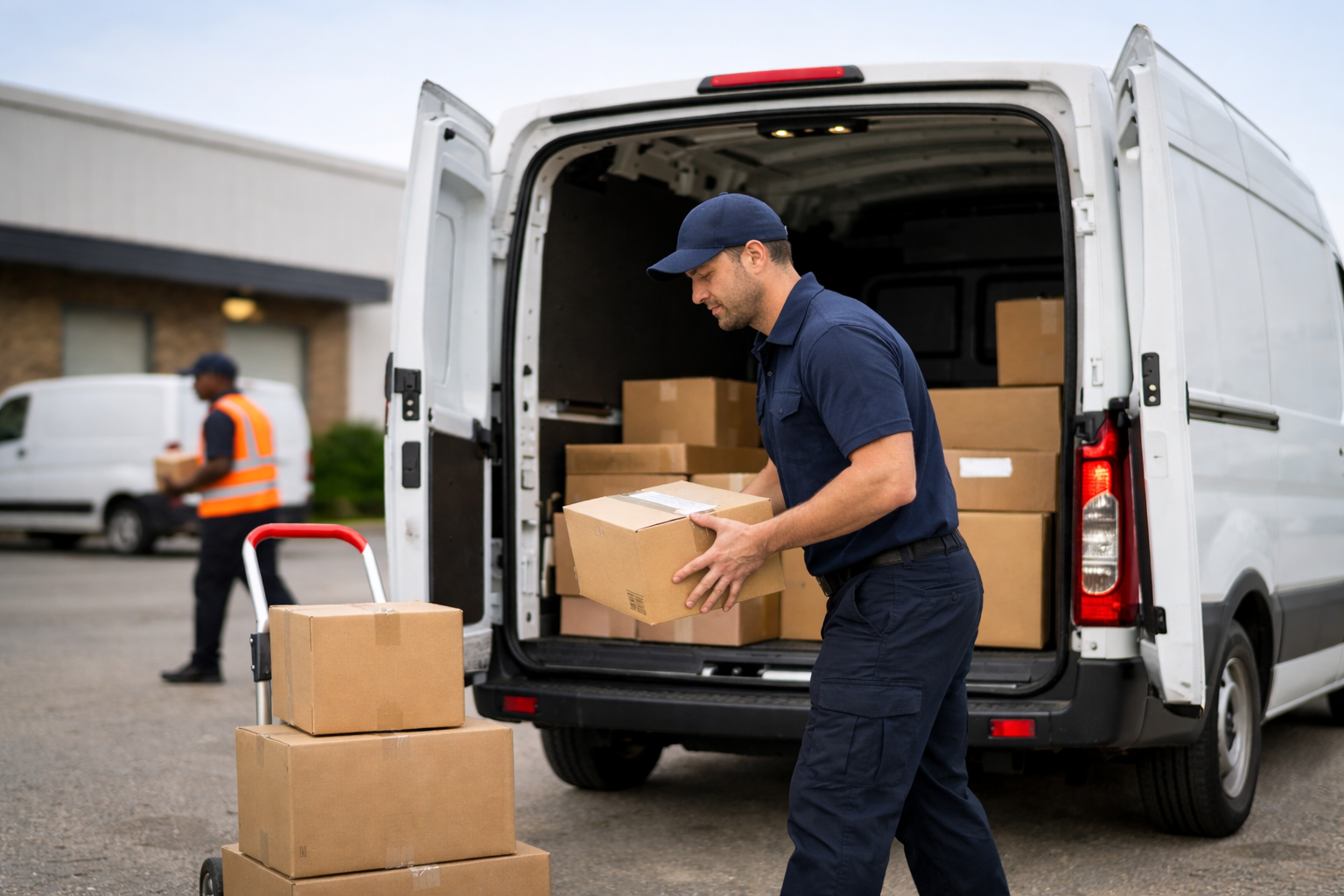
Local delivery services have grown rapidly with the rise of online shopping, food apps, and small business logistics. Every city and town now needs reliable transport businesses that can deliver products, parcels, and essentials quickly.
You can start this business without a huge fleet or advanced logistics systems. Many delivery businesses begin with just one or two vehicles and build up once clients trust their service.
If you want a low investment, high demand business, this is a strong opportunity. You can begin by serving local stores, eCommerce sellers, and restaurants that need daily deliveries.
This guide will show you how to set up your local delivery transport business step by step, including vehicles, operations, pricing, and customer acquisition.
Step 1: Identify delivery demand in your local market
Before investing in vehicles, understand what type of deliveries are needed. Many beginners start without researching their area, which results in idle vehicles and lost income.
This step helps you focus on real opportunities.
Locate high volume delivery sources
Retail stores, restaurants, grocery shops, pharmacies, and eCommerce sellers are your main clients. These businesses frequently need delivery support but do not always have their own vehicles.
- Visit local markets and ask shop owners about their daily delivery requirements.
- Observe which businesses already rely on third party transport services.
Understand delivery distances and volume
Your pricing and vehicle choice depend on this.
- Short distance deliveries within 5 to 10 kilometers are common in residential areas.
- Commercial clients may need bulk deliveries across different neighborhoods.
Step 2: Choose the right vehicle for your delivery operations
Vehicles are the backbone of this business. The wrong fleet choice can eat your margins before you even sign your first contract.
Think about your route distance, parcel size, and traffic conditions. A large van for short city routes or a small bike for bulk deliveries will not work long term.
Motorbikes for high volume small deliveries
Motorbikes are best for food, documents, and small packages within dense urban areas.
- They are easier to maneuver and allow faster delivery turnaround.
- Maintenance and fuel costs are lower compared to larger vehicles.
Cargo vans for mixed and retail deliveries
Mini cargo vans work well for groceries, parcels, and medium load transport for businesses.
- Vans allow you to take on contract based retail clients who need daily deliveries.
- They also give you higher earning potential per trip.
Starting fleet size and staffing ratio
A practical beginner setup is 2 to 5 bikes or 1 to 2 vans, depending on your niche.
- Each vehicle requires one trained driver and basic support from an operations coordinator.
- Expanding only when demand grows helps you avoid idle fleet costs.
Step 3: Register your delivery business and follow local regulations
A delivery business involves public roads, client property, and staff management. That means legal registration and compliance is not optional, especially once you scale.
This step prevents compliance issues later.
Basic business registration
You can operate as a sole proprietor or small firm.
- Register your business name so you can issue invoices and contracts.
- Open a business bank account for receiving payments.
Transport and municipal approvals
Vehicle based businesses may require permits depending on your city.
- Ensure your vehicle is properly registered and insured for commercial use.
- Follow any local delivery or logistics related regulations applicable in your region.
Insurance for vehicles and drivers
Insurance protects your vehicles, drivers, and customer parcels from financial loss.
- Operating without coverage can lead to major setbacks if accidents occur.
- Many clients require proof of insurance before signing delivery contracts.
Step 4: Set up your delivery process and daily operations
Operations are what turn a vehicle into a working business. Many new transport businesses fail due to lack of planning and poor time management.
This step ensures your service runs efficiently.
Create a simple booking and dispatch system
You can start using phone, WhatsApp, or basic delivery apps.
- Keep all client delivery requests organized by time and location.
- Track deliveries to ensure timely completion and avoid disputes.
Plan your daily routes for fuel efficiency
Optimizing routes saves time and reduces operating cost.
- Group deliveries by nearby locations so your vehicle runs fewer kilometers.
- Avoid peak traffic routes during busy hours to maintain speed and reliability.
Step 5: Define your pricing and profit model
Your pricing should cover fuel, maintenance, and driver cost while still remaining competitive in your local area.
This step helps you build a sustainable and profitable business.
Per delivery or per kilometer pricing
This is easy for both you and your customers to understand.
- Charge based on delivery distance or parcel size for fairness.
- Offer slightly lower rates to businesses that give you regular work.
Monthly delivery contracts for stable income
Many stores prefer fixed delivery partnerships.
- Provide a set number of deliveries per month at a discounted rate.
- This creates predictable income and reduces marketing pressure.
Average profit margins in local delivery transport range from 20 to 35 percent depending on vehicle efficiency and client volume.
Step 6: Promote your delivery service and build your client base
Without clients, even the best vehicle cannot earn. This step focuses on building local awareness and consistent work.
Target local businesses first
They are your easiest and most reliable customers.
- Approach grocery stores, restaurants, and eCommerce sellers who need daily deliveries.
- Offer trial deliveries to prove your service quality.
Create a professional brand presence
Even a small delivery business should look organized and reliable.
- Uniforms, basic branding, and a clear service process help build trust quickly.
- It makes your business appear larger and more capable than it actually is.
Use digital platforms for visibility
Even local services benefit from online presence.
- Register on Google Business so customers can find you easily.
- Promote your services on WhatsApp groups and local Facebook communities.
Legal and Money Considerations as You Grow
As your delivery volume increases, you may need additional vehicles, trained drivers, and better route management systems. Keep upgrading your operations and stay compliant with transport regulations to scale smoothly.
Frequently Asked Questions
How many vehicles do I need to start this business?
You can start with one vehicle, but two or three helps you handle multiple deliveries and avoid missed opportunities.
Is this business profitable in small towns?
Yes, local delivery demand is growing everywhere, especially for groceries and eCommerce parcels.
What is the biggest mistake beginners make?
Trying to deliver everything for everyone instead of focusing on a specific delivery type and route system.
How much can I earn monthly?
Earnings depend on delivery volume, but even small setups can generate consistent local income.
Conclusion
A delivery transport business can quickly become a profitable service when you identify the most needed delivery types in your area. Use vehicles that match your delivery workload, connect with local businesses that need consistent transport, and price your services for long-term returns. Staying dependable and maintaining customer trust will allow your operation to expand over time.
Receive our latest articles and resources directly in your inbox